
Working in the healthcare sector is very rewarding. You help people feel better!
But it can also be very stressful because you help people during some of the most difficult moments of their lives.
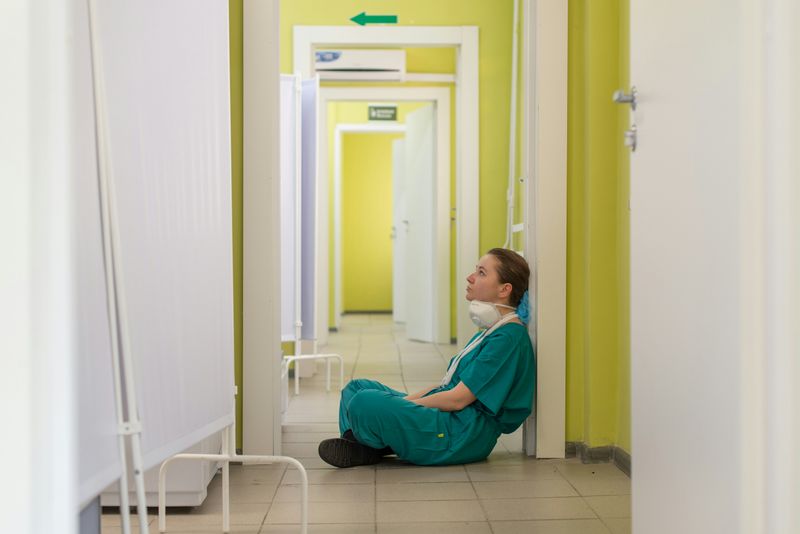 Photo by Vladimir Fedotov on Unsplash
It's completely normal to feel stressed. You don't need to try to hide or eliminate the stress, but it's important to know how to use stress management techniques so you can stay healthy and provide the best care for your patients.
Recognize the Signs of Stress
The first step in managing your stress is to recognize its signs! Common causes of stress in the healthcare sector include:
Heavy workloads
Time pressure
Difficult conversations with patients or families
Shift work and fatigue
Fear of making mistakes
Witnessing illness or emergencies
Everyone has different reactions to stress, but there are some common responses to stress:

Physical responses:
Headaches
Muscle tension
Trouble sleeping
Feeling tired

Emotional responses:
Increased anxiety
Feeling overwhelmed
Difficulty concentrating
Forgetting tasks
Becoming less patient with others
Did you know?
Stress Management in the Moment
There are some simple stress management techniques that you can easily incorporate while working!
 Breathwork
Breathing is basic, yet very important when it comes to stress management! When we're stressed, sometimes we forget to breathe.
Box breathing helps you relax. It consists of 4 very simple steps:
inhale
hold your breath
exhale
hold your breath again
Use the video below to help you time out your breaths:
 Self-Care
Just like breathing, we tend to forget our basic human needs when we're stressed, such as these:
Stay hydrated.
Eat regular meals.
Move your body during breaks.
Get enough sleep.
Did you know?
Big Picture Stress Management

Maintain Routines
Use strategies to remind yourself to keep a healthy routine during your busy work schedule!
Set an alarm on your phone, and set its name to the task you want to complete, such as "Drink water!"
Find a "check-in buddy" to keep each other supported and motivated. You could set up regular check-in meetings to see if you're keeping up with the routines, or you can set a goal together!
Make it easier for you to remember. If you had a protein bar in your pocket, you might be more likely to eat snacks during your break. You can also use a physical reminder, like a Post-it note.
 Break Things Down
When you're stressed, you're more likely to feel overwhelmed by a task that you normally have no issue with. Or, you might be so busy with multiple tasks on your plate that you don't even know where to start!
When this happens, it's helpful to break down the tasks into smaller sub-tasks. It helps you find a starting point, and you can set small milestones to celebrate your achievements along the way!
Learn more about this stress management technique with this Byte.
Subscribe for more quick bites of learning delivered to your inbox.
Unsubscribe anytime. No spam. 🙂
Ask for Support Early
It's helpful to have these stress management techniques up your sleeve, but it's also important to know when you should ask for external help. Everyone has a different level of tolerance to stress, but these are some common signs that you might want to consider asking for support:
Stress isn't going away.
You're constantly feeling emotionally exhausted.
You're worried your stress is affecting your work performance, colleagues, or patients.
You're unsure how to handle a situation.
 Photo by Dixon John on Unsplash
Remember, asking for help isn't a sign of weakness or failure. It's a sign of professionalism because it shows that you care about how you're showing up for your colleagues and patients.
When you recognize these signs of too much stress, there are different ways you can seek support:
Talk to your supervisors or experienced coworkers/mentors.
Check what your employee wellness program offers.
Seek out external mental health professionals.
Quiz: Stress Management in Action
Katie is a new healthcare worker at a care home. She just finished school, and she's very excited about starting her career. She's been taking on lots of long overnight shifts.
 One day, it's a particularly busy night at the emergency room, and she helped a really distressed young woman. The interaction left her very emotional and more stressed than usual.
 Katie recognizes that it was a uniquely tough shift and she should take care of herself. What are some stress management techniques she can incorporate for when a situation like this happens again? Select all that apply:
A. Practice box breathing at home.
B. Plan a "wellness break" with her colleagues to take care of everyone's wellbeing on shift.
C. Forget about this event as soon as possible.
D. Write down the signs of stress she experienced when it happened.
Quiz
Select the best options for Katie:
Did you know?
Take Action
You know how to identify your high stress level, how to manage your stress, and when to seek additional help — you're all set!
Your feedback matters to us.
This Byte helped me better understand the topic.