
If you love games, you've probably thought about making your own.
What if the next big game everyone's playing is made by you?
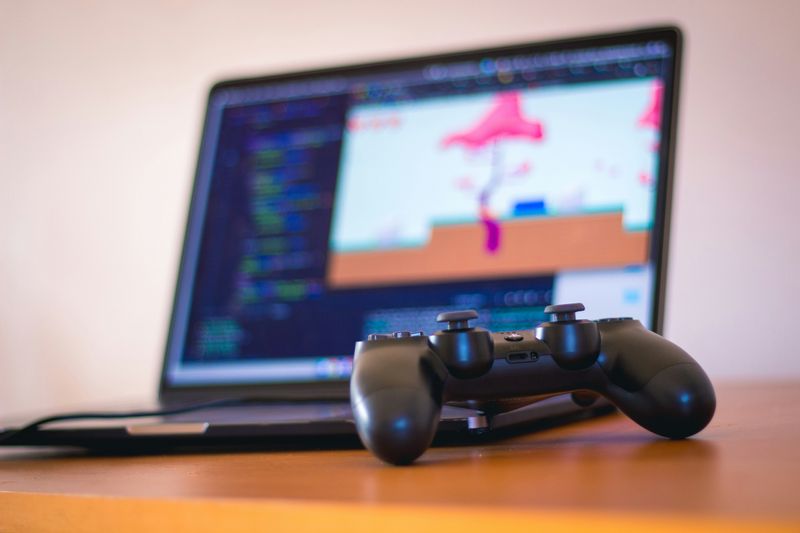 Photo by orva studio on Unsplash
You don’t need a big budget or to be a coding genius — just time, effort, and a good idea.
If you love the idea of creating worlds people can get lost in, then indie game development could be for you.
Did you know?
What are Indie Games?
Some of the most popular games around us are indie games: Among Us, Undertale, Five Nights at Freddy's, Stardew Valley...
"Indie" is short for independent. Any game made by a solo creator or small team, without the financial support of a big studio or publisher. This means full creative control! That’s why indie games are often highly creative and connect with players on a deeper level.
The best thing is, there’s no strict definition of what an indie game has to look like. Any genre or style works:
Did you know?
Where Do You Fit In?
As resources are limited, it’s common to have to wear multiple hats. So, whatever your talents are, there's a place for you!
Art
Illustration, concept art, 3D modelling, animation
Designing characters, environments and UIs (user interfaces)
Narrative Design & Game Writing
Writing the story and all in-game text
Programming
Writing and testing the code that makes everything work

Sound Design
Creating music, sound effects and voiceovers
Quiz
You want to make your own game, but coding isn't one of your strengths. What should you do? Select all that apply:
Did you know?
Where to Begin
Every game begins with an idea.

For your first game, you’ll want to start small and keep it simple. It’s easy to underestimate just how much effort even a “simple” game takes to make.
Once you’ve got an idea, it's time for a Game Design Document (GDD). Think of it as a production plan for your game — a document that lays out your concept, gameplay mechanics (the rules, systems, and interactions that define how others will play your game), story, characters, and art style.
To help with this, you'll need to start thinking like a game designer. The TikTok video below shows a little of what that involves!
Did you know?
Subscribe for more quick bites of learning delivered to your inbox.
Unsubscribe anytime. No spam. 🙂
Building The Game: Picking Your Tools
Game engines are the software you'll use to actually build your game. You'll need one that supports your idea, like whether you're making a 2D or 3D game.
You can easily find engine comparison lists that will help you decide which works best for you.
Here are some popular options:
Godot, Unity, and Unreal: Used by pros, but all have free versions for beginners. Great for 2D and 3D games
GameMaker and Construct 3: Affordable and beginner-friendly with free versions
RPG Maker, Ren'Py and Twine: Great for story-driven games
PICO-8: Ideal for simple, pixel-art style games
Quiz
How do you find the best game engine for your project?
Building The Game: The Game-Making Process
Once you’ve got an idea and your tools sorted, you can finally start bringing your game to life!
At this stage, you should narrow your idea down to just the basics needed to make your game playable.
Building a quick, rough draft of your game— a prototype — lets you test if your core mechanics work before investing tons of time.
No art or sound just yet! Figure out what's essential to test and cut everything else.
It's also the perfect time for player testing. Get anyone to play and give honest feedback. This helps you spot problems early and see if your idea is worth developing further.
Did you know?
Building The Game: Publishing and What Comes Next
Platforms like Steam, Itch.io, and game consoles are common choices for publishing a game.
Itch.io is probably the most accessible option if you're just making games for fun. And it's also a great place to discover and play other indie games.
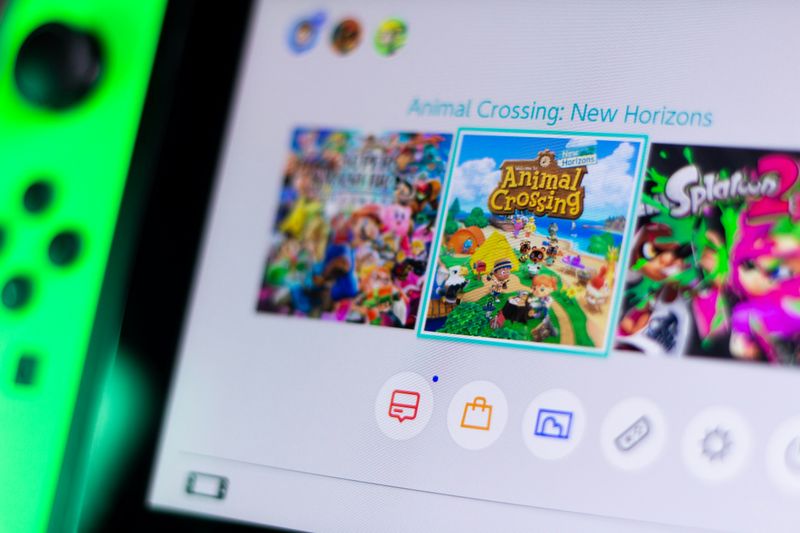 Photo by Felipe Vieira on Unsplash
But making a game usually doesn’t end with publishing it. After launch, many developers keep supporting their games with updates, bug fixes, or new content.
And if you're dreaming of commercial success, then building an audience and marketing your game matters almost as much as making it!
Did you know?
Final Advice: Start Making Games!
There's a huge, passionate community of indie game makers out there as a source of support.
Don't be afraid to get involved. Join a Discord community, attend events, and engage with others. You might find some new collaborators or friends!
 When you feel ready (or not!), try joining a game jam: an event where people make games together, usually with a tight timeframe and limited scope. It's a great way to gain experience and meet others, whether online or in person.
My first game came out of IndieCade’s Climate Jam.
Others include:
Take Action
It's totally normal to feel like an imposter when you're first starting out. But if you're making games, then you're a real game designer.
You don't need to know everything. Plenty of game makers use pre-made assets or borrow code (with the right permissions!). Everyone starts somewhere. And if you keep at it, you'll get better with time.
Ready to start making games? Here are your next steps:
Your feedback matters to us.
This Byte helped me better understand the topic.