

I was talking to my mom one evening while scrolling through my phone. I thought I was listening, but I was only catching bits and pieces of what she was saying. When she finished, I gave a quick response.
After a moment of silence, she asked, "Did you even hear what I said?" That's when I realized that hearing someone isn't the same as truly listening.
 Most of us think we're decent listeners. But research shows that people only remember 25–50% of what they hear — even when they're trying to pay attention.
So what does it actually take to be more present and attentive when it matters most?
Developing my listening skills has been a journey. Along the way, I discovered that small changes in how I listen can make a big difference in relationships.
Developing my listening skills has been a journey.
Along the way, I discovered that small changes in how I listen can make a big difference in relationships.
 Photo by Amari Shutters on Unsplash
Why Don't People Feel Heard When They Talk to Me?
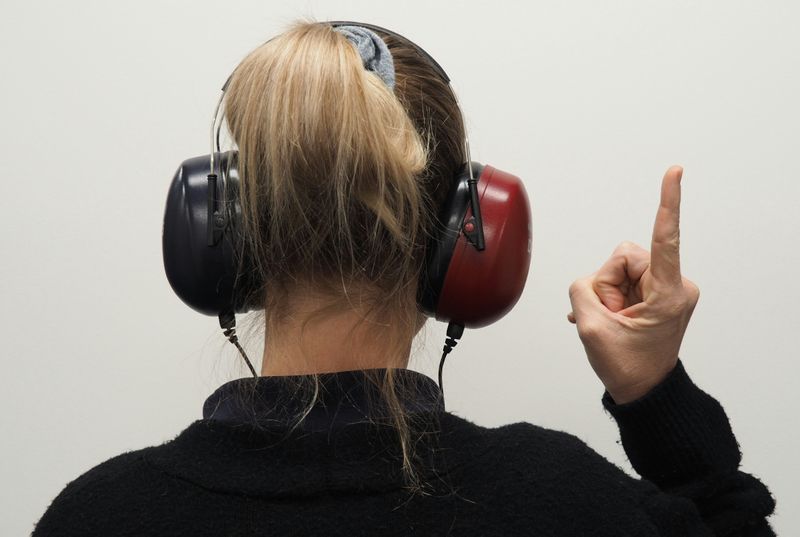 Photo by Mark Paton on Unsplash
Poor listening isn't always obvious. Watch out for these habits:
Forming your response while they're still talking — you're already composing your reply before they've finished their thought.
Finishing their sentences — you think you know where they're going, so you get there first.
Jumping to advice — they haven't asked for solutions yet, but you're already offering three.
Nodding along without processing — your body says "I'm listening," but your mind is somewhere else.
Think about a recent conversation where you felt unheard. What did the other person do that made you feel that way?
Why Is Listening Hard?
Listening takes more effort than it seems. That's because:
Your brain processes words much faster than people speak, which creates space for your mind to wander or jump ahead.
Notifications, devices, and background noise constantly compete for your attention.
When you have strong feelings about what's being said, it can be difficult to stay focused on understanding the speaker instead of reacting.

My biggest challenge was slowing down and giving people my full attention, especially when I had strong opinions about what they were saying. I would often catch myself thinking about my response. Other times, I would check my phone or let my mind wander instead of being fully present.
I realized that good listening requires curiosity, patience, and a willingness to understand. I decided to improve by practicing 3 strategies:
removing distractions
focusing on the speaker
staying open during difficult conversations
 Photo by Milad Fakurian on Unsplash
Did you know?
1. Listen to Understand, Not to Respond
 Photo by Matheus Câmara da Silva on Unsplash
Most of us listen to respond. We're already forming our reply before the other person finishes.
Try this instead:
Focus on what they're saying, not what you'll say next.
Let them finish — even if there's a pause.
Ask yourself: "Do I actually understand what they mean?"

Quiz
A coworker is explaining why they're frustrated with a project. Halfway through, you already know what advice you'd give.
What's the best move?
A. Share your advice — you've got a good solution.
B. Wait until they're done, then ask if they want your input.
C. Summarize what they've said so far and jump in.
D. Agree with everything they say.
Quiz
Choose the best answer:
Subscribe for more quick bites of learning delivered to your inbox.
Unsubscribe anytime. No spam. 🙂
2. Give Your Full Attention
Your body language tells people whether you're really listening — before you say a word.
Small shifts make a big difference:
Put your phone away — not just silenced, but face down or out of sight.
Make eye contact — it signals you're present.
Face the person — turn your body toward them, not away.
Don't multitask — close the laptop, pause the show.
 Photo by Ninthgrid on Unsplash
Did you know?
3. Ask One Good Question
 Photo by Hasse Lossius on Unsplash
After someone shares something, resist the urge to give advice right away.
Ask one open-ended question instead:
"What's been the hardest part of that for you?"
"How are you feeling about it now?"
"Do you need advice, or do you just need someone to listen?"
One question shows you were paying attention — and gives them space to keep going.
Quiz
Your friend tells you they're overwhelmed with school. You want to help. What's the best first move?
A. Tell them to make a schedule.
B. Ask, "Can you tell me what's been feeling the most overwhelming?"
C. Share how you handled a tough semester.
D. Tell them it'll get better.
Quiz
Choose the correct answer:
Take Action
 Photo by Etienne Boulanger on Unsplash
Put your new listening skills to work:
Your feedback matters to us.
This Byte helped me better understand the topic.