

Did you know that you can extract the DNA from strawberries with basic household items, like dish soap?

Or that otter poop has DNA that can be used to understand their populations?
The DNA world is exciting and all around us. In 4 steps, you'll learn how to help high school students learn about DNA structure!
Step 1. Become the DNA expert

Don't forget to review all the base-ics of DNA, such as:
DNA stands for deoxyribonucleic acid
It is made-up of bases, such as Adenine, Thymine, Cytosine, and Guanine
It gives instructions on how all living beings are built
 Image by storyset on Freekpik
Like DNA's sugar-phosphate backbone, make sure to build your own foundation by:
Reviewing online lessons that you can apply to your class
Watching engaging videos by biology teachers
Reading about DNA structure from an online textbook
Experimenting with day activities to determine what works for you
Did you know?
Step 2. Try pairing a new activity with your lesson
Image by storyset on Freekpik
Complement your great lesson with one of the following:
Provide handouts to reference throughout lessons
Share songs to introduce DNA concepts
Consider an outdoor kinesthetic activity to pair with your lesson
Try a practice quiz on DNA structure and basics
View an online DNA model together
Build low-cost DNA models as a class activity
 Image by storyset on Freekpik
Replicate real-life experiences by letting your class:
Volunteer as a citizen scientist on a Zooniverse Research Project
View chromosome slides with online or in-person microscopes
Perform DNA-related science experiments
Build digital literacy skills relevant to biology
Quiz
Ahmad (he/him) needs to teach about DNA high school freshman students. He doesn't have funds to buy class materials, but his classroom has laptops available and high-speed internet. What are some activities that he can use? Select all that apply.
Did you know?
Step 3. Encourage study tips that takes off pressure
Image by storyset on Freekpik
Be like a topoisomerase enzyme and help relax supercoiled anxiety by:
Using mnemonic devices, such as "Cars in the Garage" to show the base-pairing of Cytosine and Guanine and "Apples in the Trees" for Adenine and Thymine
Creating flashcards related to DNA
Sharing ways to stay focused during your info-packed lectures
Talking about how to manage anxiety during exams
Making appropriate biology jokes that are memorable
Did you know?
Subscribe for more quick bites of learning delivered to your inbox.
Unsubscribe anytime. No spam. 🙂
Step 4. Show DNA examples
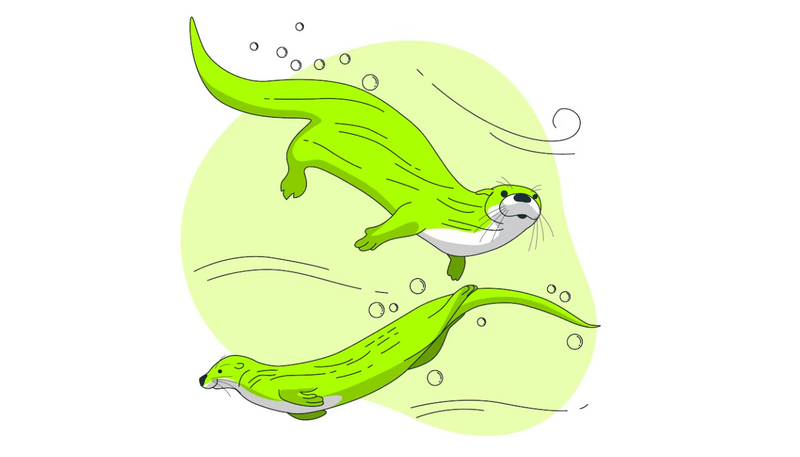 Image by storyset on Freekpik
DNA from otter poop can be used to map the population size and diversity of threatened species, such as the European Lutra lutra otter. 💩
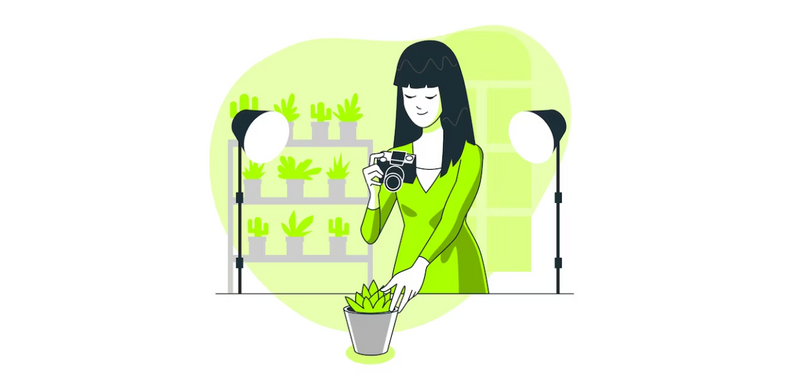
Image by storyset on Freekpik
Intense ultra violet (UV) radiation from light is known to stress plants out and damage their DNA, causing parts of the plants to grow out-of-the-norm. 🌱
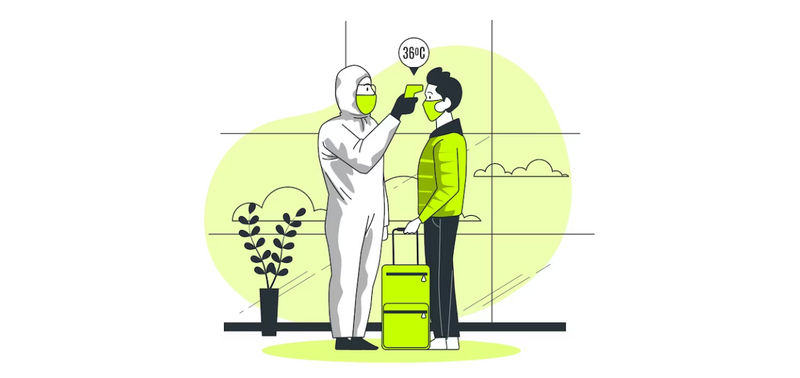 Image by storyset on Freekpik
The first DNA vaccine was approved in India in August 2020, a few months after the first mRNA vaccine; both act as protection against COVID-19. 💉
Did you know?
Take Action
Help high school students learn about DNA structure by:
Your feedback matters to us.
This Byte helped me better understand the topic.