Do you have a gym membership but never actually go?
Do you catch yourself saying, “I’m just not a runner,” or “Working out just isn’t for me”?
Here’s the truth: most people who are consistent with fitness weren’t great at it when they started.
They built small, repeatable habits that helped them stay on track.
Motivation fades. Habits don’t.
What if staying fit had less to do with motivation and more to do with a few simple habits you can build into your day?
Let’s look at the strategies successful people use to stay consistent — and how you can start using them too.
Did you know?
Start Small and Stay Consistent
Consistency starts with simplicity.
People who build strong fitness habits begin with small, doable actions they can repeat every day.
Why it works:
Small habits are easier to repeat, and repetition builds consistency.
Once the habit feels natural, you can slowly increase the time or intensity.
How to do it:
Begin with a tiny version of your workout (like 10 minutes of walking or stretching).
Choose something you can do even on tired or busy days.
Find a small way to move your body every day, even if it’s just a short walk or stretch.
Example:
I started with a 10‑minute yoga session after work every day. It was short enough for me to stay consistent, even on days when I was tired. Now it’s part of my routine, and it feels weird if I don’t move my body after work.
One of the most reliable habits of successful people is tracking what matters so they can see their growth over time.
Why it works:
Tracking helps you see small wins you might otherwise miss. It builds confidence and keeps you motivated long‑term.
How to do it:
Track steps, reps, mood, or energy.
Celebrate tiny improvements.
Notice patterns (like which days you feel strongest).
Example:
I could only do 5 push‑ups last week. Today I did 8. That’s progress!
Quiz
Sam wants to get stronger, but he feels discouraged because he can’t lift heavier weights yet. Which of these are real signs that he's making progress? Select all that apply:
Loading...
Subscribe for more quick bites of learning delivered to your inbox.
Unsubscribe anytime. No spam. 🙂
Learn from Setbacks
Setbacks aren’t failure — they’re feedback.
Highly effective people expect ups and downs and use them to adjust, not quit.
Why it works:
Progress isn’t linear. When you expect ups and downs, you’re more likely to stay consistent long‑term.
How to do it:
Missed a workout? Start again tomorrow.
Feeling tired? Do a shorter version.
Bad week? Reset, don’t quit.
Example:
I missed two days, so I did a 10‑minute workout today instead of skipping the whole week.
Follow fitness creators who inspire you or teach workout routines.
Join a supportive community like an online group or local club.
Use tools that reinforce your routine, like a workout app or a simple habit tracker.
Example:
I use a workout app that sends me reminders and tracks my progress. I like seeing others’ workouts in the feed — it gives me a little extra motivation.
You don’t need perfection — try these doable steps to rebuild momentum and feel proud of your progress. And if you want to learn more, explore the links to other Bytes below.

 Here’s the truth: most people who are consistent with fitness weren’t great at it when they started.
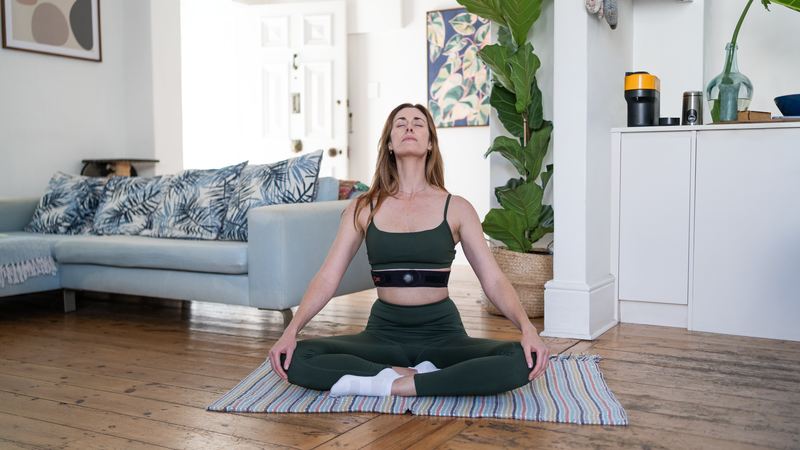
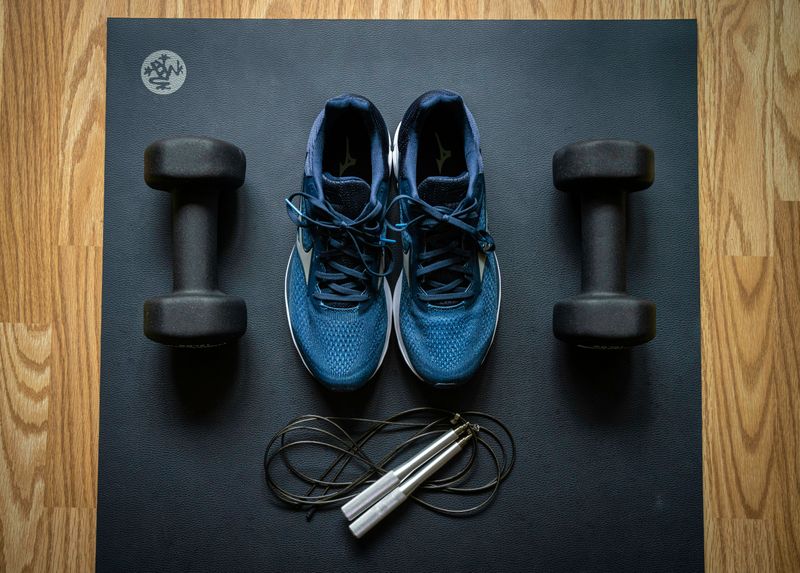 Photo by Alexandra Tran on Unsplash



 Photo by Greg Rosenke on Unsplash
 Photo by Jose Jesus Valencia-Alvarez on Unsplash