
Remember the group projects at school where 1 or 2 people did most of the work, yet we all got the same grades?

Like other everyday experiences, this one has a name too — social loafing.
And even if we think we left it behind in school, social loafing shows up in our workplaces as well, with effects that become more noticeable over time.
What is Social Loafing?
 Social loafing is a term used in psychology to describe when people put in less effort in a group than when they work alone.
What causes social loafing?
Large group sizes: In large teams, people might think their contributions matter less.
Unclear roles: People are less likely to take initiative when tasks aren't clearly assigned.
Reduced accountability: When responsibility is shared, people feel less accountable.
Expecting others to step in: Some people may put in less effort, assuming others will pick up the slack.
What are the effects of social loafing?
One or more of the factors below can lead to social loafing at work. They can have negative effects on individual employees and the organization as a whole.
Did you know?
1. Reduced Productivity and Performance
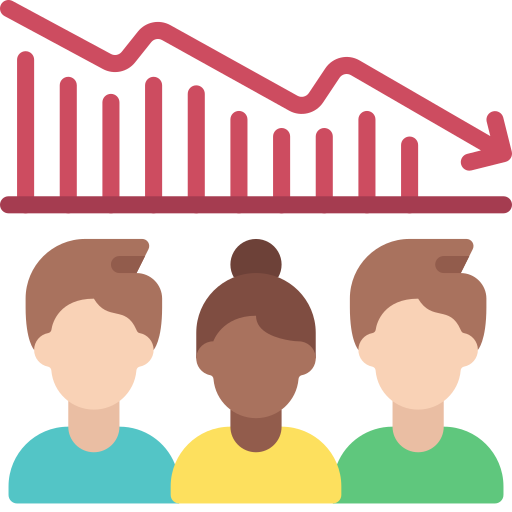 When some team members don't contribute fully, the overall output of the team often declines.
Tasks may take longer to complete when people put in uneven effort.
Deadlines may be missed as important work falls on a few people.
Quality of work may decline as errors become more common.
Innovation may take a back seat as fewer people contribute ideas.
Example:
A marketing team prepares a monthly client performance report. The same two people regularly handle data collection and drafting. Other team members attend meetings but don't contribute much to the report. The report is submitted late because of this, and the manager notices errors in it.
2. Unequal Workload and Burnout
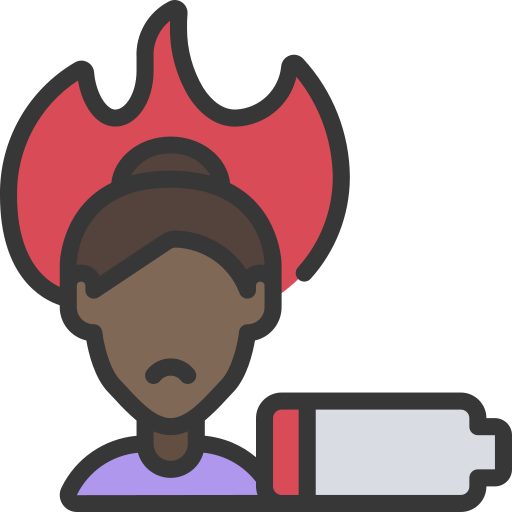 In teams where social loafing is common, a few top performers usually end up with most of the work.
The same people take on more work to finish it on time.
They may be physically and mentally tired due to long working hours.
They may run a risk of stress and burnout due to constant overload.
Top contributors may find it tough to put in the same amount of effort over time.
Example:
In a software implementation team, two team members regularly stay at work to complete configuration tasks that others don't complete. Over time, these people log longer hours each week, skip time off, and are constantly tired.
Did you know?
Subscribe for more quick bites of learning delivered to your inbox.
Unsubscribe anytime. No spam. 🙂
3. Negative Team Dynamics and Resentment
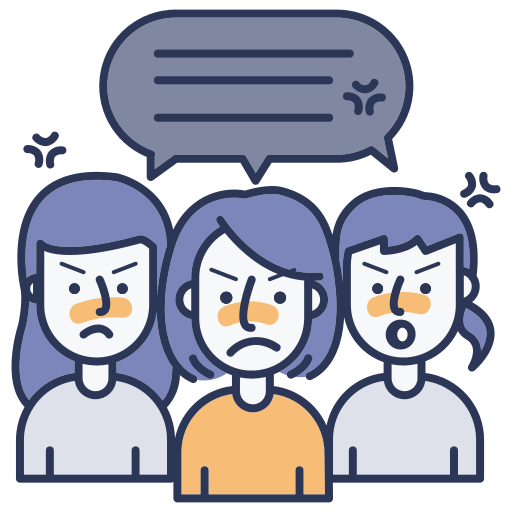 Social loafing can strain relationships, as some team members often pull the weight for others.
People working hard may feel resentful toward colleagues who contribute less.
Tension and interpersonal conflicts may rise due to uneven effort and responsibility.
Individual and team morale may decline due to frustration.
Trust within the team may weaken as some team members contribute less.
Example:
In a school English department, the same three teachers lead brainstorming and preparation for academic events, while others are minimally involved. Over time, interactions become uncomfortable, participation drops, and interest in future events begins to fade.
4. Employee Turnover and Organizational Impact
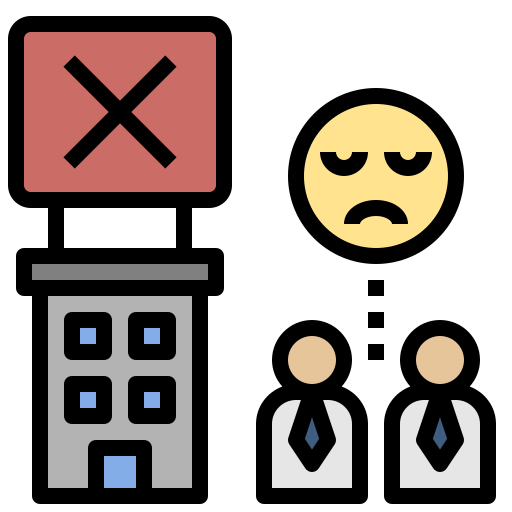 Social loafing can create a cascading effect that goes beyond individual teams and affects the organization as a whole.
People working hard may experience job dissatisfaction due to their extra workload.
Some high-performing people may disengage and reduce their effort over time.
Some people may decide to leave, resulting in higher turnover rates.
Creativity may decline as teams lose high-performing talent.
Example:
In a logistics warehouse, two out five supervisors regularly stay late to prepare dispatch schedules and suggest process improvements, while the others leave when their shift is done. After several peak periods, the two supervisors resign. The work is redistributed, but the team struggles to maintain the same level of coordination.
Did you know?
Quiz: Social Loafing & Event Management
An event management company is planning a corporate conference. Half the team regularly handles vendor coordination and client communication, while the others attend meetings but contribute few ideas and rarely follow up on tasks.
 Image created by the author using AI
How will social loafing affect this team? Select all that apply:
A. Innovation decreases as fewer team members share ideas.
B. Conflicts arise as the workload isn't shared equally.
C. Planning becomes faster as fewer people handle the work.
D. Team members become less involved in future planning over time.
Quiz
Select all effects of social loafing that apply to this team:
Take Action

Recognizing the effects of social loafing can change how you see everyday teamwork.
Your feedback matters to us.
This Byte helped me better understand the topic.