
You come home with the intention of doing some school work, but find it difficult to start, leaving it on the table or in your school bag. Then you feel guilty, and worse, might even start labelling yourself "lazy".

You're not alone. This is normal behavior, and lucky for you, there are several simple and actionable strategies available for success based on different motivation types. Once you learn them, you'll find it easier to be motivated for school.
Motivation Types
 As humans, our motivation comes from two categories:
Intrinsic vs Extrinsic
Intrinsic motivation is our internal drive to do something because we enjoy it or find it interesting.
Extrinsic motivation comes from outside rewards like grades, prizes, or avoiding punishment.
Autonomous vs Controlled
Autonomous motivation happens when students feel they have some choice in learning.
Controlled motivation happens when students feel pressure from others or guilt to complete work and achieve.
The strategies in this Byte focus on autonomous and extrinsic motivation. They each give you the sense of personal choice (autonomous) and performing an activity to achieve a specific outcome (extrinsic) like good grades in school.

Quiz
Jenny doesn't enjoy her history class, but she wants to get a good grade to help her get into university. So, she completes all assignments thoroughly and on time. Which type of motivation is driving Jenny? Select all that apply:
Break Tasks Down
 When you face a big project like an assignment in school, it can feel very overwhelming, so you might procrastinate.
One way to overcome this feeling is by breaking things down into tiny steps.
This helps you get started, which builds momentum and gives you a sense of achievement — which is motivating in itself.
Some examples:
Read just 1 page from your textbook.
Write just one paragraph of your essay.
Do 15 minutes of your homework.
If you still find it hard to get started after breaking it down into small steps, why not break them down even further!
Did you know?
Make Studying an Automatic Habit
 Instead of waiting until you feel motivated, why not build a daily routine with habits? When we create effective habits, our brain uses less energy, and our behavior becomes more automatic.
To build a habit, first you need to link to a "trigger". It's something you already do in the day, followed by the task you'd like to start. For example, "After I finish my dinner, I'll study for my history test for 5 minutes at the dinner table".
Starting small, even just aiming for 5 minutes, helps to get your brain on board.
 Photo by Drew Beamer on Unsplash
Did you know?
Subscribe for more quick bites of learning delivered to your inbox.
Unsubscribe anytime. No spam. 🙂
Find Your "Why?"
 Our motivation becomes stronger when we're clear on how our studies connect to our own values and interests.
Try to be clear on why it is important to you. For example, imagine you want to be an electrician, but find it hard to start studying for your math test. You can think about how math helps you solve problems and improve your thinking skills, which you'll need when working as an electrician.
By thinking about your "why", you're much more likely to stick with it and push through challenges.

Reward Yourself and Track Progress
 It feels good when you see that you're making progress with your studying. Create a way to see your progress visually and to mark completion. This helps you build motivation.
Examples:
Make a list of small study tasks and cross them off when completed.
 Photo by Glenn Carstens-Peters on Unsplash
Create a calendar and cross off daily achieved goals.
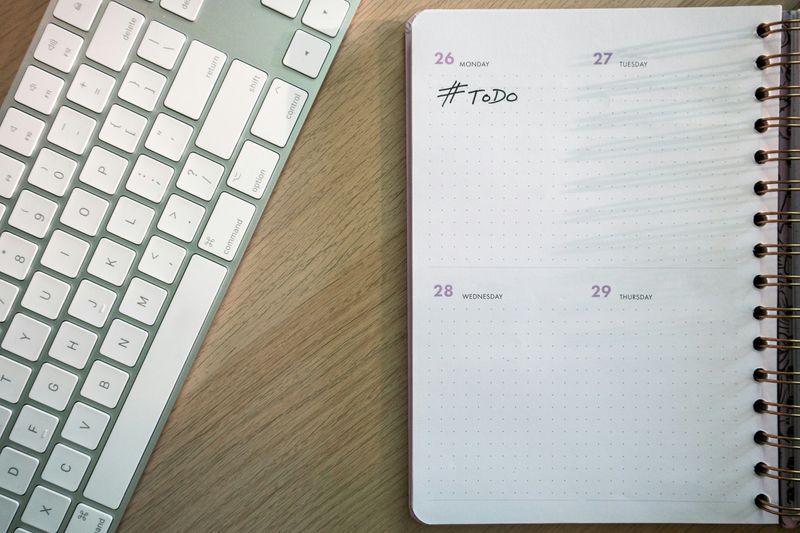 Photo by Walls.io on Unsplash
Fill in a progress bar on a poster.
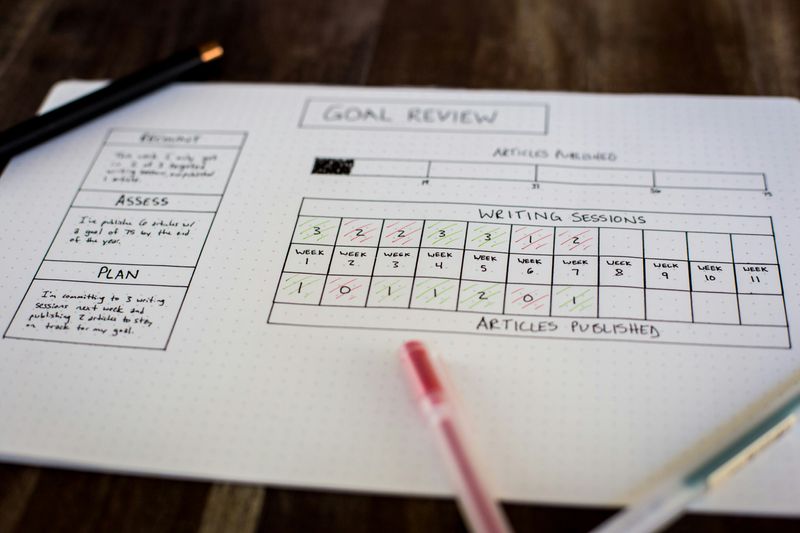 Photo by Isaac Smith on Unsplash
Finishing a small task also allows you to celebrate with small rewards, which motivates you to keep going in the future. For example, after completing a task, you could go for a walk, have a dance, or play a video game for 10 minutes.
Quiz
Your friend is struggling to stay motivated in a class they find boring because they don't see how the material relates to their personal values or future career goals. Which technique would be best to help them regain their drive?
Take Action
 Photo by Xan Griffin on Unsplash
Different people are driven by different motivation types. Also, what motivates us for one task might not work for another. Think about the techniques in this Byte as tools in a toolbox that you can pull out and try the next time you need a bit of drive.
Possible next steps:
Your feedback matters to us.
This Byte helped me better understand the topic.