
Imagine that you're in a team meeting. Two people share the same ideas.
One person gets praised by their manager. The other person gets ignored.
 Photo by Redd Francisco on Unsplash
What happened?
It's clear that the manager values one person over the other. This is a classic example of implicit bias.
Implicit bias interferes with cooperation and productivity. Responding professionally helps you and your teammates confront it in helpful ways.
Did you know?
What is Implicit Bias?
Implicit or unconscious bias, in its simplest sense, means having some prejudice toward another person. It is a learned belief, assumption, or attitude that people consciously believe.
These biases show up as automatic attitudes or stereotypes that influence our decisions without our conscious awareness. It doesn't mean someone is bad — it means the brain is fast and makes shortcuts.
Common Examples of Implicit Bias at Work

Assuming younger employees lack experience.
Example: A younger team member is not asked to lead a project, even though they have relevant skills and experience.
Why this is implicit bias: This assumption is based on age, not on the person's actual abilities or track record.
Believing women are less technical.
Example: A woman's technical suggestions are questioned or overlooked, while similar ideas from male coworkers are accepted more easily.
Why this is implicit bias: It favors people based on gender stereotypes rather than evaluating their skills or knowledge.

Preferring colleagues who share similar hobbies or backgrounds.
Example: A manager consistently assigns opportunities to team members they “click with” because they share similar interests or life experiences.
Why this is implicit bias: Decisions are influenced by personal comfort and similarity, not by performance or potential.

Assuming people with accents have weaker communication skills.
Example: A coworker with an accent is excluded from client-facing meetings, even though they communicate ideas clearly and effectively.
Why this is implicit bias: It judges ability based on how someone sounds, rather than how well they actually communicate.
Quiz: The Hiring Panel
 Scenario: You’re part of a hiring panel for a tech role. Two candidates have similar qualifications. The candidates have been asked to complete a technical assignment. Your manager assigns a more complex assignment to the male candidate.
Question: Why is this an example of implicit bias?
Answer choices:
A. It’s based on past performance data.
B. It favors someone based on gender stereotypes rather than skills.
C. It’s a fair decision because tech roles are demanding.
D. It’s explicit discrimination.
Quiz
Why is this an example of implicit bias?
Types of Implicit Bias
There are many types of implicit bias at work, but many of us aren't aware of the ones that we carry.
Here are some common examples that you might recognize:
Gender bias: Preferring one gender over another, often without realizing it.
Example: Two employees have similar skills, but a man is more likely to be chosen for a technical role or promotion.
Confirmation bias: Looking for evidence that confirms your first impression — even if it's unfair.
Example: A coworker arrives late once, and you decide they're "unprofessional," then notice only behaviors that support that belief.

Similarity (affinity) bias: Feeling more comfortable with people who are similar to you.
Example: You naturally connect more with coworkers who share your background, age, or interests — and include them more often.
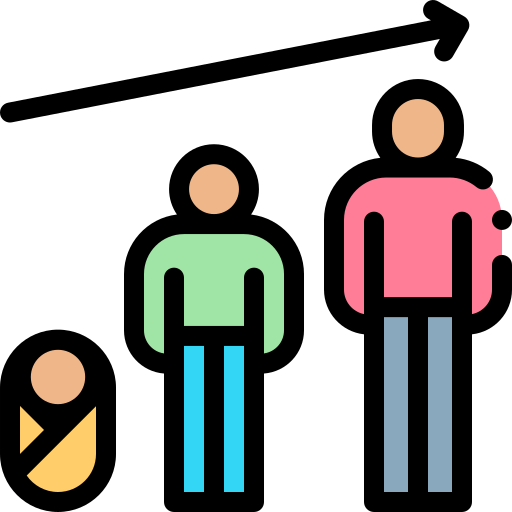
Age bias: Making assumptions based on someone's age.
Example: A manager assumes younger employees lack experience, or believes older employees can’t learn new skills.

Appearance bias: Assuming attractive people are more capable or successful.
Example: A colleague gives more credit or trust to someone because they "look professional" or confident.
Conformity bias: Going along with the group instead of sharing your own view.
Example: You disagree in a meeting but stay silent because everyone else supports the same idea.

Halo effect: Letting one positive trait shape your entire view of a person.
Example: Assuming someone is highly capable just because they went to a top school or have an impressive job title.
You don't need to recognize every type — just noticing one pattern is already a step forward.
How Implicit Bias Shows Up at Work

Here are places bias can quietly shape decisions:
Feedback
Softer feedback for some, hasher for others
Different expectations based on gender or race
Example: A manager gives a male employee feedback he can follow easily on his project ("This data is a mess. Fix the pivot tables"). However, the same manager gives a female employee vague, "softened" feedback to avoid upsetting her ("You're doing great, just maybe watch the details"), which isn't clear enough for her to improve on.

Meetings
Who gets interrupted?
Whose ideas get credited?
Who gets invited to speak?
Example: A female executive proposes a strategy and is cut off mid-sentence by a male colleague who redirects the conversation. People often call this "manterrupting."
Hiring & Promotion
"Culture fit" being used to exclude
Résumé name or background bias
Example: A hiring panel rejects a highly qualified candidate because "I don't see myself having a beer with them," or "They seem too stiff for our laid-back vibe." This effectively penalizes candidates who have different hobbies, backgrounds, or communication styles than the existing majority.
Teamwork
Who gets high-visibility tasks
Who is trusted with leadership responsibilities
Example: A manager assigns a high-stakes, revenue-generating client presentation to a male team member (high visibility), while asking a female team member of equal rank to organize the team holiday party, take meeting notes, or schedule the conference room (low visibility, or "office housework").
Did you know?
Subscribe for more quick bites of learning delivered to your inbox.
Unsubscribe anytime. No spam. 🙂
How to Regconize Your Own Bias
Recognizing your mistakes isn't always easy to do, but these simple checks can help:
Slow down before making decisions. Bias shows up when we rush or rely on "gut feelings".
Example: You need to lead a task and instantly pick the person you're most comfortable with. You should pause for 5 seconds and ask, "Who else could do this well?"

Ask, "Would I react the same way if this were someone else?" This question helps uncover hidden double standards.
Example: You think a younger coworker "might not be ready," but an older coworker with the same experience level seems fine. You should ask, "If another person said/did this, would I think differently?"

Notice patterns. Who do you rely on, include, or overlook? Bias often appears in repeated habits, not one-time moments. A pattern is a signal to slow down and check for bias.
Examples:
Do you always go to the same people for advice?
Do you interrupt some coworkers more than others?
Do you assume certain people “fit” certain tasks?
Seek diverse perspectives intentionally. We naturally gravitate toward people who feel similar to us — that's human. But widening your circle helps challenge blind spots.
Example: If you're creating a plan, ask for input from people with different roles, backgrounds, or working styles.
Strategies for When You Experience Implicit Bias
Bias can feel uncomfortable — and there's no single "right" way to respond. What matters is choosing a response that works for you and the situation.
Here are 4 practical ways to respond:
Pause and take care of yourself. Sometimes, the best response is protecting your energy.
Example: You decide not to respond in the moment and instead take a break, go for a walk, or refocus on your priorities.
Pause and reflect before responding. Not every situation is clear right away. Slowing down can bring you wise choices.
Ask yourself:
Was this intentional or careless?
Could there be other factors at play?
What response would be most helpful right now?
Speak up (when you feel safe to do so). If you choose to speak up, assume positive intent and focus on impact.
Examples:
"I know you may not have meant it this way, but that comment made me feel uncomfortable."
"I was surprised by that comment. Can we talk about it?"
Get support and find allies. You don't have to handle bias on your own.
Examples:
Talk with a trusted mentor, coworker, or friend.
Speak up for others when you notice bias.
Connect with HR or a diversity group if patterns continue.
Quiz: Responding to Implicit Bias
 You notice a coworker’s idea is ignored in a meeting and later credited to someone else.
Which of the following is NOT the best way to respond?
A. Pause and think about what happened before deciding how to respond, but say nothing afterward, because reflecting internally is sometimes enough.
B. Immediately call out the person in the meeting and say they're biased, because being direct is an effective way to deal with unfairness.
C. Support your coworker by bringing attention back to their idea in a calm way, but only after the meeting is over, so you don’t disrupt the flow.
D. Reflect privately afterward on what you can do differently next time, but assume that nothing else can be done in the current situation.
Quiz
What is NOT a good way to respond?
Take Action
Small, intentional actions can help reduce the impact of implicit bias—starting today.
Your feedback matters to us.
This Byte helped me better understand the topic.