
John walked out of the history classroom with a confused look on his face. Despite reading his notes over and over again, he couldn't remember which WWII event came first...the Potsdam or Yalta Conference?
 So, what can you do so that you're not walking out of the classroom like John? How can you remember all those tricky dates, people, and events?
The right history study techniques can make all the difference and improve your chances for success.
Use It or Lose It!
The key thing to remember is that you need to do something with the information you've been given so that it gets into your long-term memory (aka "retention"). Luckily, there are plenty of ways you can do this. Common study techniques for history class include:
Timelines
Flashcards
Concept maps
Gamification
Musical mnemonics
Did you know?
1. Historical Timelines
 Timelines are a useful way to get an understanding of the sequence of historical events. The visual format helps you learn the chronology (time order) of events, their causes, and effects.
How to use them:
Draw a line on a big piece of paper and record key dates in chronological order. Once you complete writing the timeline, cover it up and practice drawing it again from memory.
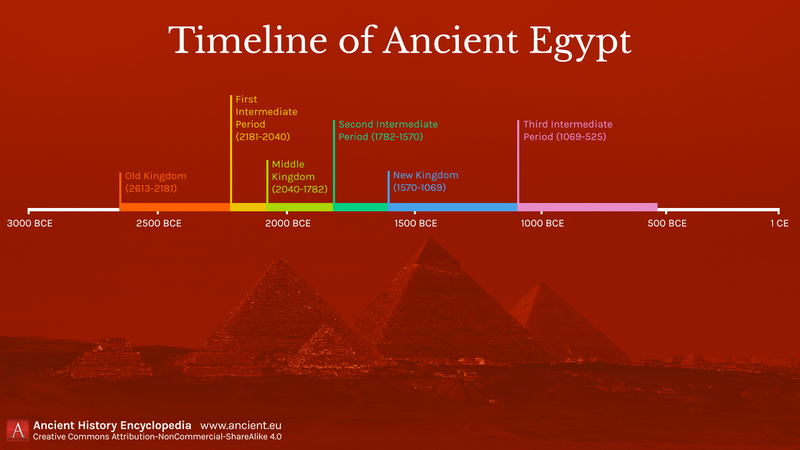 Source: World History Encyclopedia
Did you know?
2. Flashcards

When it comes to remembering key events, people, and terms, flashcards can be very helpful.
How to use them?
Write a question or prompt on one side of the card and the answer on the back. For example:
One side: What were the three main Allied Powers in World War II?
Other side: United States, United Kingdom, Soviet Union
Have someone quiz you using the cards, and try to space out your review over several days to help with retention.
Apps like Quizlet exist to create digital flashcards.
Remember!
Some students can get too bogged down in creating flashcards that are visually "perfect". They don't need to be pretty! They just need to act as an aid for your studies.
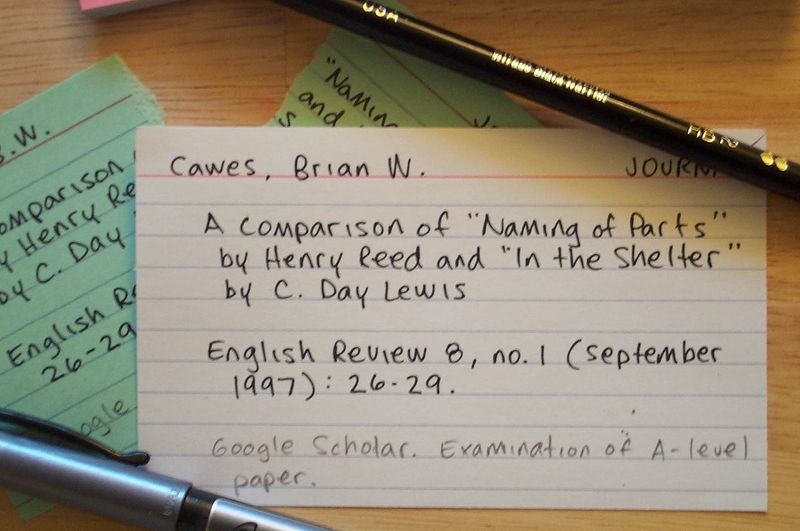 Image courtesy of Reeding Lessons via Flickr
Subscribe for more quick bites of learning delivered to your inbox.
Unsubscribe anytime. No spam. 🙂
3. Concept Maps
 If you need to understand and study the relationship between ideas, historical events, people, or concepts, then concept maps might be just what you need.
How to use them?
Write your main historical theme or idea in a central bubble in the middle of the page (e.g., Causes of the First World War).
Connect related subtopics to the center by grouping them into themes — for example, political, economic, or social causes.
Add colors, symbols, and cross-linking lines to visualize connections between events and improve memory retention.
Check out this video that breaks down how to create a concept map into 7 simple step:
Quiz
Which of these situations would be best for using a concept map as a study technique? Select all that apply:
4. Gamify Your Study
 Turning your study into a game is another way that you can have some fun and learn at the same time.
This technique helps with understanding narratives, identifying causes and consequences, and remembering key individuals. You learn by creating the game and reinforce that learning when playing it too!
Examples
Create a version of Guess Who with historical figures.
Make your own Snakes and Ladders board game with key historical events to determine steps forward or back during a historical period.
Use apps like Kahoot to build quizzes and play with friends.
 Image courtesy of Wikimedia Commons
5. Musical Mnemonics
 When you were little, you must have used songs to help you remember things like the alphabet. You can do the same for key events or individuals in history. For example, replacing the words of the nursery tune Old McDonald Had a Farm with key moments of the Battle of Hastings.
How to use them?
Check to see if someone has already made one for your topic. If so, memorize it!
If not, pick a tune you know well (nursery rhymes work well). Change the words to what you need to remember, and practice them.
Warning: Avoid singing out loud in your test or exam!
Watch the following video to see an example of how this can be done:
Quiz
You and your friend are about to begin to study for your next history test. You know that there are going to be some questions on key historical figures. What are the best options to use? Select all that apply.
Take Action

Ensure you develop your history study techniques toolbox by practicing these various tips!
Your feedback matters to us.
This Byte helped me better understand the topic.
Recommended Bytes
No resources found!
We could not locate any resources for you.