
Do you enjoy working with people and consider yourself a strong team player? If you thrive in a fast-paced environment and are looking for a stable career with opportunities for growth and advancement, nursing might be calling for you.

Did you know?
Why Choose a Career in Nursing?
According to the Government of Canada’s Job Bank, nursing is expected to have a strong risk of labor shortages until 2033, both in Canada and around the world. That means great job prospects after graduation.
Nursing is a great choice for a number of reasons:
Career stability & flexibility: Nursing jobs are always needed, in many places around the world, and offer flexible work options.
Impact & purpose: Make a real difference every day by helping patients, speaking up for them, and supporting them during important moments in their lives.
Variety of roles: Nurses can work in hospitals, schools, research, teaching, or leadership. There are many paths to choose from.
Lifelong learning: Nurses keep learning new skills and can grow and move forward in their careers over time.

But isn’t nursing hard — long hours, shift work, and emotional challenges? Yes, nursing can be demanding and involve shift work, but it’s also in high demand, rewarding, respected, and full of opportunities to grow!
What You’ll Learn in a Nursing Program
You might wonder: "What am I actually studying in nursing?" There are three main areas that a nursing program will prepare you for as a healthcare professional.
Knowledge
You'll study:
Human anatomy & physiology: You’ll learn the parts of the human body and how they work together.
Pathophysiology: This helps you understand how diseases and injuries affect the body.
Pharmacology: You’ll learn how medications work, how to give them safely, and how to watch for side effects or interactions.
Ethics & healthcare systems: This prepares you to make ethical decisions, protect patient rights, and understand how hospitals and healthcare teams function.
Skills
You'll practice skills in labs and real healthcare settings.
Clinical skills like checking vital signs and giving medication. They allow you to safely monitor patients and provide daily medical care.
Communication with patients and families in clear, caring ways. Strong communication helps patients understand their care and feel supported.
Teamwork & documentation to work with other healthcare workers. Nurses collaborate with doctors and other staff and must accurately document care to keep patients safe.
Critical thinking. It helps you assess patient information, notice changes, prioritize care, and respond quickly to unexpected medical situations.
Professional Competencies
You'll develop life and career skills that matter every day.
Decision-making: Nurses make frequent decisions about patient care, from prioritizing tasks to responding to urgent health changes.
Time management: It helps you balance multiple patients, treatments, and responsibilities during a busy shift.
Emotional regulation: Managing stress and emotions allows you to stay calm, focused, and compassionate in high-pressure situations.
Quiz
You are caring for a patient who is about to receive a new medication. Before giving it, you check the patient’s name, medication dose, and allergies. Which nursing skill are you using most directly?
Career Paths After Graduation
After you graduate, there are many great options you can choose from.
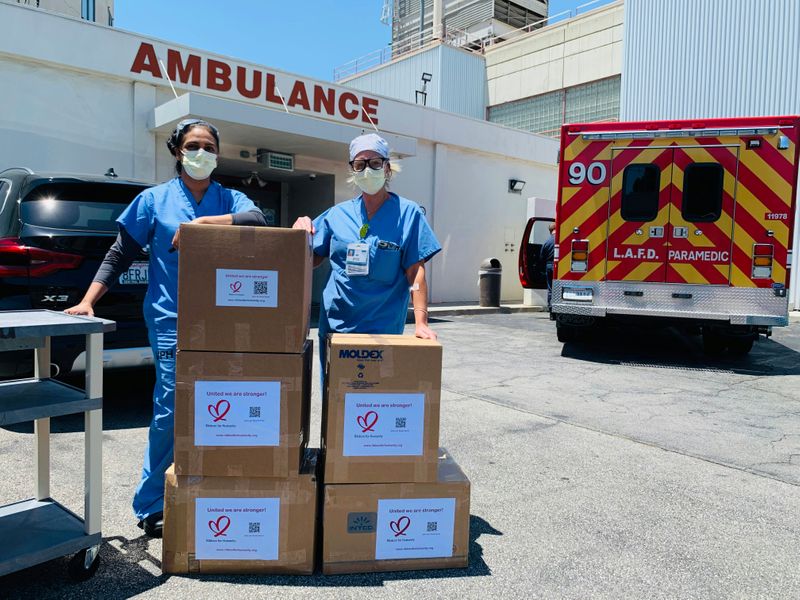 Photo by Alexander Simonsen on Unsplash
In hospital specialties:
You can work in emergency care, pediatrics, or surgery, where you help patients in more urgent or focused settings.
Non-hospital options:
You can also work in other settings, such as schools, community health, home care, telehealth, or clinics.
You can also study further to advance your career.
No matter the setting, nursing is about caring for individuals, families, and communities and helping people stay healthy and safe.
Subscribe for more quick bites of learning delivered to your inbox.
Unsubscribe anytime. No spam. 🙂
How to Prepare Before Applying
Before you apply, check the entry requirements for the programs you’re interested in.
Many nursing programs require general science and academic courses, such as:
Biology
Human anatomy & physiology
Chemistry
Math
English
Requirements can vary by country and school, so it’s important to review them carefully.
Try to gain real-world exposure as well! Consider opportunities such as:
Volunteering in hospitals or clinics
Assisting in care homes or long-term care facilities
Supporting community health or outreach programs
These experiences can help you confirm whether nursing is the right path for you while also making your application more competitive.

How to Succeed in a Nursing Program
According to the American Nurses Association, there are nine key tips that can help you succeed in nursing school. Here are just a few:
Schedule study time like it’s a job. Treat your study time like a real work shift. Setting a regular schedule helps you stay consistent. Focus on understanding content deeply, since nursing is about applying knowledge, not just memorizing facts.
Join a study group. Studying with classmates gives you support and new ways of understanding material. Your peers might explain things in ways that click for you, and working together can keep you motivated and accountable.
Take breaks and care for yourself. Nursing school is demanding, so it’s essential to take good care of yourself.
Take practice NCLEX tests. Many nursing exams (including the NCLEX licensing test) use critical-thinking questions. Regular practice with NCLEX-style questions improves how you think like a nurse and helps you feel more prepared for high-stakes tests later.

Study Options & Pathways
There are different ways to study nursing, depending on your goals and situation.
Nursing major vs. combined pathways: Some students enter a direct nursing program, while others begin with general or pre-nursing studies before moving into nursing.
Bridge and alternate entry routes: In many countries, there are pathways for practical/enrolled nurses, mature students, or career changers to enter nursing.
Full-time vs. part-time study: Programs may be full-time or part-time, which can affect program length and how you balance study, work, and life.

Take Action

Now that you’ve learned more about nursing, here are some practical next steps you can take to apply what you learned and keep moving forward!
Your feedback matters to us.
This Byte helped me better understand the topic.