
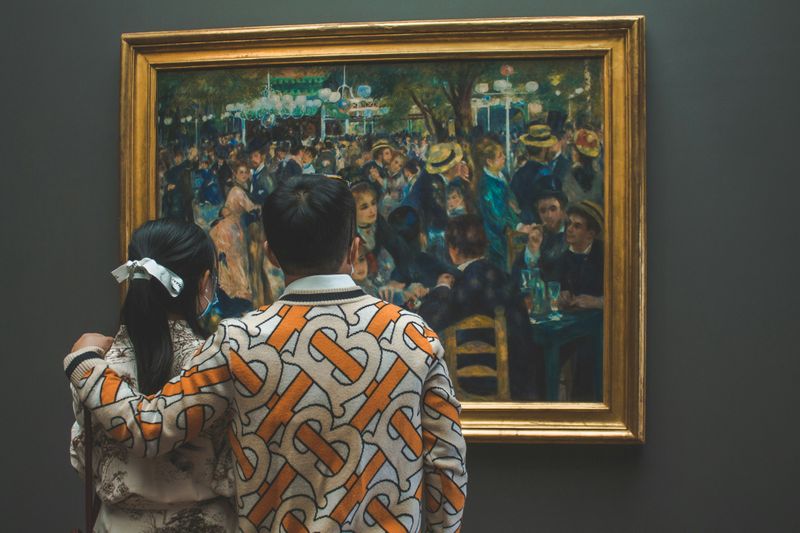
 Photo by Diane Picchiottino on Unsplash
Imagine you visit an art museum and get curious about a painting. You want to know more, but there’s no information about it at all.
Later, you search on the internet and in libraries, but nothing comes up.
That would be a common experience if art history weren’t an important subject of study.
By studying art history, you can help others to
preserve and interpret art information
understand history through artworks.
But would it be the right pick for you? Let’s find out!
Did you know?
It's all about your interests and goals!
Do you consider yourself an art lover?
Is visiting galleries or museums an activity that you often do? That's a great start!

Being curious about the world's and humanity's history is also a GO sign for you to dedicate yourself to learning art history.
This subject requires a lot of:
complex readings
research
writing
It’s essential to be familiar with (or at least open to) this study routine.
If having plenty of career options is important for you, art history provides a variety of employment opportunities.
Did you know?
Get ready!

You might face some competition when applying for an art history program.
To boost your chances of approval, you should prepare by studying or reviewing topics like
world's history
visual elements
art history movements
You can study these topics by taking online courses. There are plenty of free resources available on most museum websites and platforms like YouTube.

You should also exercise your writing skills, as you most likely will have to submit an essay on an art topic with your application.
Some programs might also request a portfolio of your own artwork (if you have any) or visual references that motivated your choice for art history.
Topics you'd dive into
The study of art history focuses on the visual arts, but it occasionally merges with music, dance, and theater.
Types of Visual Arts
painting
drawing
sculpture
film
collage
illustration
You'll study visual arts through time and around the world.
Most programs organize their courses in a timeline, from prehistoric art to the present day.

Art criticism is an important study topic that will allow you to understand artworks by using skills like
discussing
analyzing
evaluating
Historians used to focus on Western art (Europe and North America), but now you should also study art from cultures like:
African
Asian
Native American
Latin American
Mesoamerican
Islamic
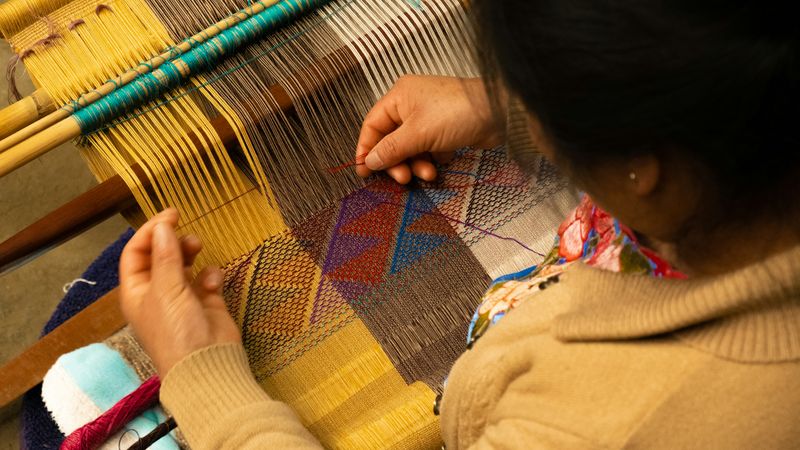 Photo by ALAN DE LA CRUZ on Unsplash
In some programs, you will study supporting subjects to expand your point of view. These topics could be:
philosophy
languages
communication
fashion
architecture
design
Quiz Time!

Jenny is in her final year of high school and wants to build her research and writing skills to strengthen her college application portfolio. She's interested in modern art movements, such as Surrealism and Abstract Expressionism, and how they challenged traditional artistic norms.
Quiz
To develop a strong portfolio, Jenny can (select all options that apply):
Subscribe for more quick bites of learning delivered to your inbox.
Unsubscribe anytime. No spam. 🙂
Major or minor degree?
You can get an undergraduate art history degree in a college or university through a major or minor program.
 Photo by Zoshua Colah on Unsplash
A major is a main field of study within a bachelor's degree. In this program, usually between 25%-50% of the credits will focus on art history themes.
An academic minor is a secondary degree that you can get as a complement to a major. The number of art history-themed courses for a minor will depend on the institution you're applying to (see an example of this program's credit distribution).
You don't have to be enrolled in an art history major to be allowed to complete a minor in art history.
That is a good option if you're already enrolled in a major and still want to study art history without changing degrees.
Did you know?
What it takes to succeed

If you decide to enroll in an art history program, these are some strategies that will set you up for academic success and open the doors to a fulfilling career:
Enrich your experience by taking diverse classes like sociology, anthropology, psychology, and literature.
Plan ahead so you don't get overwhelmed by assignments.
Research a subject you genuinely like, don't just follow trends.
Save essays, presentations and other asignements for your portfolio.

Ask your professors and colleagues for feedback.
Exercise criticism skills by observing artworks.
Apply for internships at local museums, studios, and galleries.
Network at art history associations and conferences.
What careers could be on your horizon?
Having this solid and diverse educational base will give you the tools and skills to unlock your career potential in art history.
 Photo by Brendan Church on Unsplash
Art history is a competitive field, but it offers a diverse range of career opportunities.
These are the three main professional paths you can follow with an art history degree:
1. Curator
Role: Design and coordinate art exhibitions.
Other responsibilities:
Purchase, sell, and loan artworks.
Develop educational material.
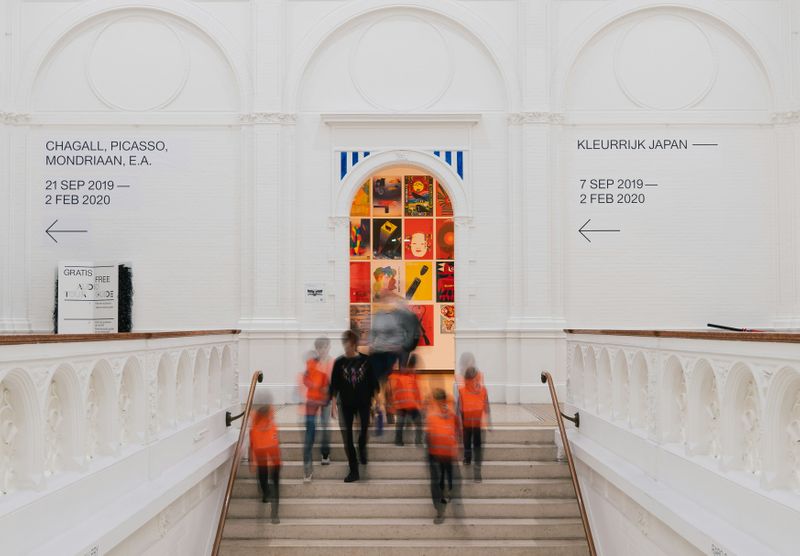 Photo by Liam McGarry on Unsplash
2. Art History Researcher
Role: Uncover information about artists and techniques.
Responsibilities:
Help the public understand how artworks shape our society.
Highlight the importance of art.

3. Conservation and Preservation Associate
Role: Prevent or reverse damage caused to artworks.
Responsibilities:
Use science-based techniques to restore and preserve art.
Quiz Time!
The two students below are thinking about majoring in art history.
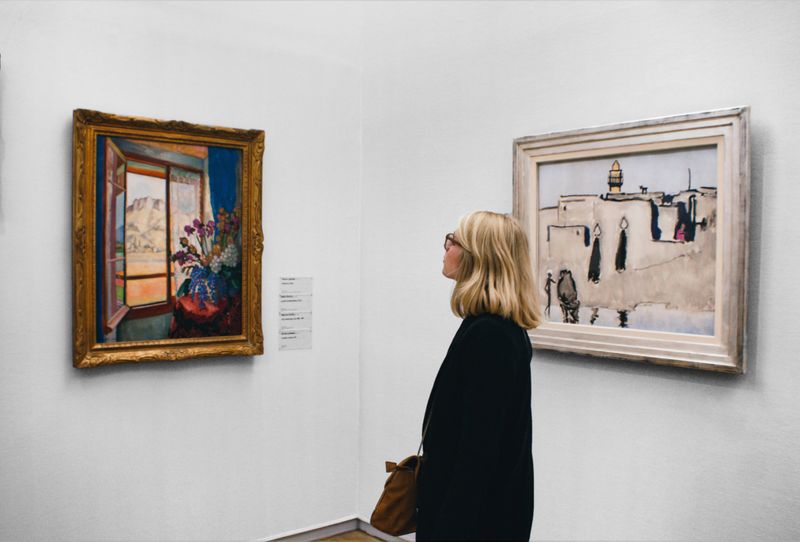 Photo by Pauline Loroy on Unsplash
Ana enjoys visiting museums and galleries. She spends hours at exhibitions reading the educational program and absorbing every piece of information. Her hobbies include reading and writing.
 Photo by Mina Rad on Unsplash
Julia also enjoys museums. She observes every artwork, taking notes on how she can replicate them. Drawing and painting are her favorite hobbies.
Quiz
Who do you think should enroll in an art history major?
Is it a "YES"?
How did you feel reading about these careers?
Did they sound inspiring and leave you wanting to know more about them?
Then studying art history might be JUST RIGHT for you!

Take Action

If you have decided that studying art history is the right choice for you, now you should:
Your feedback matters to us.
This Byte helped me better understand the topic.