You're applying for a dietitian job. Your resume is ChatGPT approved, your final GPA was on steroids, and your recipe Pinterest boards can get anyone drooling.
Congratulations! You've got all your ducks in a row, and land an interview. You handle the pleasantries like a pro, and then this happens.
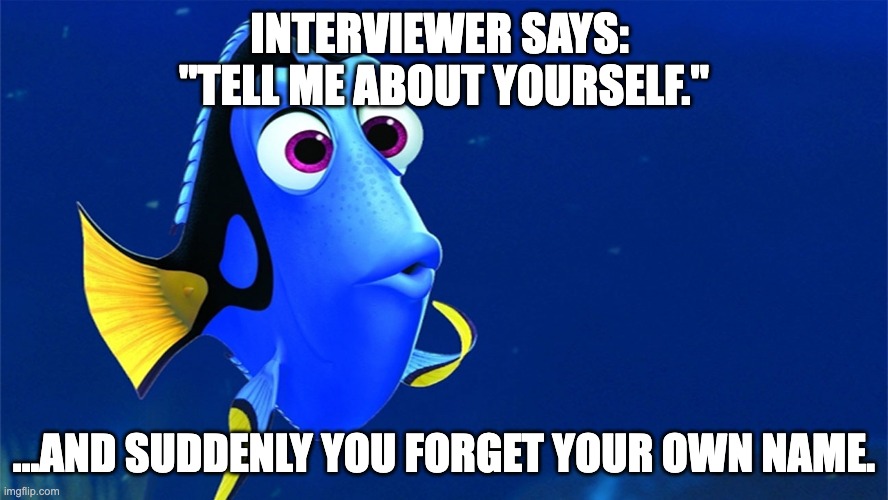
Fear not, you got this! Just like planning a balanced meal, an interview can benefit from intentional prep. Here's a recipe for how to answer three key questions for a dietitian job.
1: "Tell me about yourself."
 Why they ask:
It's not just small talk, it's a key filter. They want to see if you can articulate your story clearly and connect it to the role. Rambling here = red flag. Owning it = instant credibility.
 Your winning formula:
The Hook: One memorable sentence about what drives you to nutrition and dietetics.
The Bridge: Highlight a relevant experience (clinical rotation, internship, client win) that proves your skills.
The Landing: Connect your story to this specific role or organization. Do your homework
 Sample response:
[Hook] I was brought up to see food as more than just fuel, and some of my fondest childhood memories revolve around family meals where tasty recipes were never in short supply.
[Bridge] Later on, during my internship at a community health center, I worked with patients from diverse backgrounds, which taught me about meeting people where they are.
[Landing] I'm excited about this role because your clinic's focus on culturally responsive care aligns exactly with my experience and values.
Note: Make it specific, personal, and tied to the role. Not simply a resume recitation. Need to learn more? Check out these additional tips.
 Interviewer's question: "Tell me about yourself."

Susie's response: "I’ve always believed health is wealth. I am extremely passionate about fitness, wellness, and love helping people achieve their nutritional goals. Everyone I meet tells me how much they love my help."

Cam's response: "I’ve always believed health is wealth. During my clinical rotation, I discovered my passion for helping patients address nutrition challenges, and I’d love to apply that to this role to help further your clinic’s goals."
Quiz
Who aced the question?
2. "How would you work with a client who isn't following their nutrition plan?"
Why they ask:
Non-adherence is a leading challenge in dietetics. Interviewers want to know you won't shame clients or give up, and that you'll dig deeper to understand real barriers and adjust your approach. This tests your empathy and adaptability under real-world conditions.
Your winning formula:
Talk about a situation where you lead with curiosity, not judgment ("What's getting in the way?" not "Why didn't you follow through?").
Mention motivational interviewing or shared decision-making if you know it.
Show how you adapt the plan to the client's real life (budget, schedule, culture, preferences, etc.).
Use the STAR model to demonstrate your grasp of nutritional science and patient-centred care (Situation, Task, Action, Results).
Sample response:
[Situation] During my clinical internship, I worked with a non-compliant diabetic client experiencing spiking blood sugar levels.
[Task] My goal was to identify what was getting in the way, and help create a nutrition plan that worked for them.
[Action] I approached the conversation with curiosity rather than judgment. Instead of asking, "Why didn’t you follow the plan?" I asked, "What’s been the hardest part about making these changes?" They shared their concerns and together, we adjusted the plan.
[Result] Over time, the client became much more consistent because the plan actually fit their lifestyle and their blood sugar readings began to improve.
Note: The STAR model helps you tell concise, evidence-based stories that prove your skills by highlighting exactly what you did and how you achieved success.
 Me pretending I’ve always used the STAR model naturally.
 Interviewer's question: “How would you handle a client with high cholesterol who hasn't reduced their saturated fat intake at all in 6 weeks?”

Niki's response: "I worked with a client with high cholesterol, struggling to reduce their saturated fat intake despite several months of counseling. My goal was to identify barriers, so I asked them what was getting in the way. After they shared budget constraints, we worked together on affordable alternatives. They showed progress within a matter of weeks."

Gina's response: "I once had a client with high cholesterol who wasn't reducing their saturated fat intake after several weeks of counseling. Using motivational interviewing, I asked, 'Why are you not following the plan?' They agreed with me that their health was a high priority and promised to do their very best. They still follow me on TikTok till this day!"
Quiz
Who aced the question?
3. "Why did you choose to be a dietitian?"
Why they ask:
They want passion but not a rehearsed motivational poster speech. This question measures authenticity, motivation, and long-term interest
Your winning formula:
Create your personal back story and keep it real.
Include your "why" and any personal anecdotes or ‘aha’ moments.
Whatever you do, please do NOT say “Because I like healthy food.”
Sample response:
"Growing up, I watched my mom deal with chronic health issues. I noticed how confusing and overwhelming nutrition advice was for her. One week, carbs were the enemy, the next week it was eggs.
My real ‘aha’ moment happened during my sophomore year when I had a diabetic roommate. With a growing sense of deja vu, I watched them unsuccessfully try every diet plan until they started working with a nutritionist who recommended small, practical changes easy to incorporate in the active social life of a young adult on a limited budget.
I got to witness the transformation and the power of communication, empathy, and meeting people where they are. I was even able to share some helpful nutritional tips with my mom. She saw results too, and fully supported my decision to switch my major from business to dietetics. Since then, I've never looked back."
Did you know?
Subscribe for more quick bites of learning delivered to your inbox.
Unsubscribe anytime. No spam. 🙂
Take Action
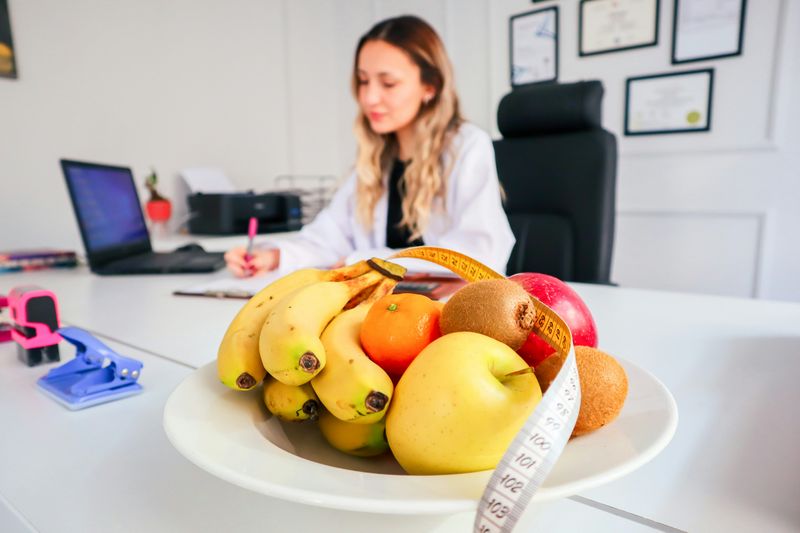 Photo by B Y G on Unsplash
A great dietitian interview answer isn’t about sounding perfect. It’s about proving you can communicate clearly, build trust, and help real humans make healthier choices without judgment or confusion.
Your feedback matters to us.
This Byte helped me better understand the topic.