
You’re preparing to talk to your partner about their habit of buying extra groceries through special deals, which has led to clutter. Just thinking about it makes your chest tighten and your mind race…
 Handling stressful conversations can be challenging because they can cause "misunderstandings and emotional strain."
But practicing mindfulness exercises can help you get through them calmly and effectively.
What Is Mindfulness?
Mindfulness is a practice of paying close attention to what you’re feeling and sensing in the moment, without judging it.
"It focuses on staying present, listening deeply, and responding thoughtfully rather than reacting impulsively."
With mindfulness exercises, you can practice mindful communication as "a way to handle difficult conversations with awareness, purpose, and kindness."
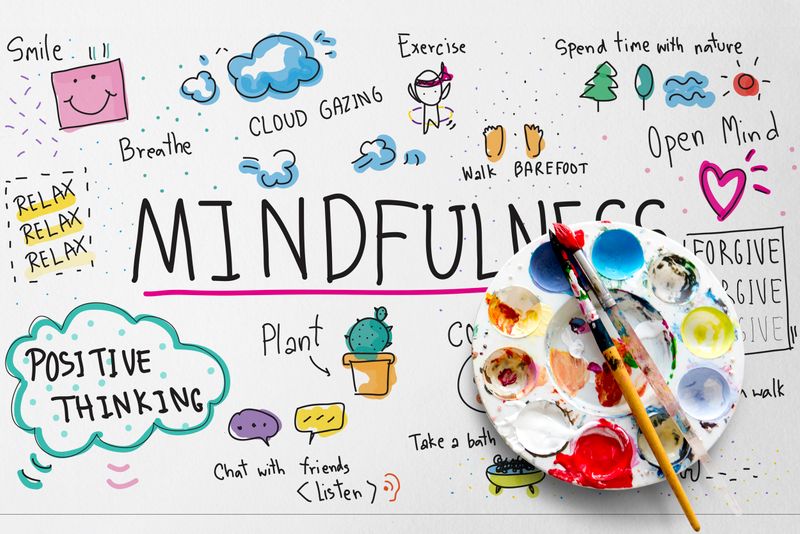 Image courtesy of rawpixel via Freepik
Did you know?
Core Principles of Mindful Communication
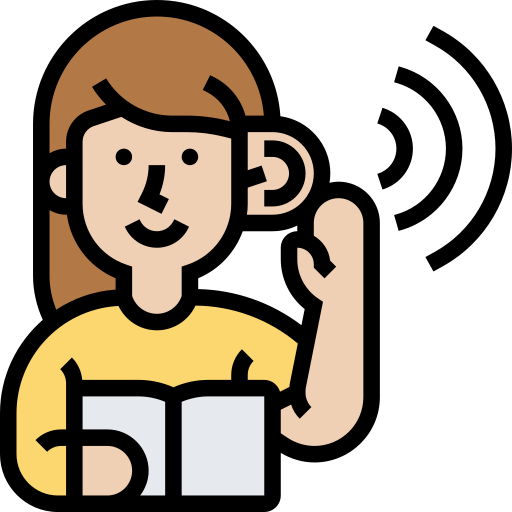
 1. Active Listening
Give your full attention to your partner.
Focus on understanding their words, tone, and body language.
Example:
Your partner says they feel overwhelmed with chores, and instead of jumping in to defend yourself, you nod, maintain eye contact, and repeat back: “So you’re feeling overloaded and need more support, right?”
2. Emotional Awareness and Self-Regulation
Notice your emotions and physical stress signs.
Stay aware of triggers so you can respond calmly.
Example:
You feel your shoulders tense as the conversation starts. You take a slow breath to calm yourself before speaking.

The 3 P’s — Precision, Pace, and Pause
Precision: Speak clearly and stick to the point.
Pace: Keep your tone steady and calm.
Pause: Take a moment before responding to choose your words wisely.
Example:
Instead of reacting quickly, you pause for a breath, then say clearly: “I’d like us to find a way to manage chores together.

Reflect On What You Know

Scenario: You need to talk to your partner about a recurring conflict that has been causing tension in your relationship. As the conversation starts, your partner raises their voice. You notice yourself getting frustrated, so you take a deep breath, slow your speech, and pause before replying.
Quiz
Which principle(s) of mindful communication are you using?
Subscribe for more quick bites of learning delivered to your inbox.
Unsubscribe anytime. No spam. 🙂
Preparing for a Conversation
Mindfulness exercises can help you feel calmer and more focused before starting a difficult conversation with your partner. Learning a few simple techniques can prepare you for these moments.
 Photo by SOULSANA on Unsplash
1. Mindful Breathing (The Foundation)
Mindful breathing helps settle your nervous system so you don’t bring stress into the conversation.
Sit somewhere quiet and comfortable, even if only for a minute or two.
Close your eyes and take a slow, deep breath in through your nose.
Exhale gently through your mouth, feeling your shoulders drop.
Focus only on the sensation of breathing — the rise and fall of your chest or stomach.
This grounding technique reduces tension, clears your mind, and gives you the space to respond thoughtfully instead of reacting out of frustration or fear.
2. Body Scan
A body scan helps you become aware of the tension you may carry into the conversation without realizing it.
Slowly move your attention from the top of your head down to your toes.
Notice any tightness, pressure, or discomfort — like a clenched jaw, stiff neck, or tight stomach.
As you breathe out, gently release some of that tension. This process reconnects you with your body and helps you understand how stress is showing up physically, making it easier to stay calm and present.
3. "Dipping" or Self Check-in
A quick emotional check-in helps prevent assumptions or worries from driving the conversation.
Pause and ask yourself: What am I feeling right now? Nervous? Irritated? Anxious?
Notice your thoughts: Am I assuming this will turn into a fight? Am I expecting the worst?
Don’t judge your feelings or try to change them — just acknowledge them. This moment of awareness gives you control over your reactions and helps you enter the conversation with clarity rather than fear or defensiveness.
4. Set an Intention
Setting an intention helps you stay aligned with the outcome you want, even if the conversation becomes emotional.
Choose a simple, positive intention that guides your tone and behaviour, such as:
“I want to understand, not win.”
“I will listen without interrupting.”
“I will speak honestly but kindly.”
Keep this intention in mind as you begin and return to it if you feel yourself getting tense or reactive. This step keeps the conversation focused and respectful, helping you move toward connection rather than conflict.

Quiz
You’re preparing to talk to your partner about their habit of buying extra groceries during special deals, which has led to clutter. You pause, breathe, and think about the purpose of the conversation. Which intention reflects a mindful approach?
Joint Preparation
 Photo by Max van den Oetelaar on Unsplash
If you and your partner are both willing, you can do these mindfulness exercises as a team:
Joint deep breaths: Sit facing each other and take a few deep breaths together. Synchronizing your breath can create a sense of unity and shared presence before you begin speaking.
Express gratitude: Before diving into a potentially difficult topic, share something you genuinely appreciate about your partner or the relationship. Starting with a positive foundation helps create a more receptive atmosphere.
Take Action
Mindfulness can be used to approach difficult conversations with your partner by staying present and aware of your own emotions and your partner's perspective.

Your feedback matters to us.
This Byte helped me better understand the topic.