Have you ever looked back at a situation at work and thought, “I probably should’ve handled that differently”?
A lot of the mistakes we make don’t happen because we’re incapable but because we react too quickly or don’t pause long enough to really understand what’s happening.
If there's one skill that would help you handle workplace situations more effectively, it's learning how to stay calm, ask questions, and make thoughtful decisions.
Here's how Coursera explains critical thinking:
Work challenges always left me feeling overwhelmed, but when I learned to think more critically, they became easier to handle, and I could make informed decisions.
Did you know?
1. I Stopped Reacting Too Quickly
When I started working, I used to think responding quickly showed confidence and competence. But over time, I realized that reacting too fast often made me misunderstand situations.
Image courtesy of Tiger Lilly via Pexels
Being new to the job, I was still learning that situations and responsibilities could change very quickly. There was a moment when I'd already prepared materials based on earlier instructions, only for a senior colleague to suddenly step in and change the plan at the last minute.
I was frustrated because it seemed like my effort was being overlooked. My first instinct was to quickly express my concerns. But instead I:
Paused for a moment.
Paid attention to what washappening around me.
A few moments later, I realized issues were happening behind the scenes that I wasn't aware of, and my colleagues were simply trying to adjust quickly.
I knew I had to approach the situation immediately with a more critical and thoughtful mindset to fully understand the sudden change before reacting.
The experience taught me the importance of:
Taking small pauses before responding.
Asking myself if my reaction would help the situation.
Taking a deep breath when emotions started rising.
Focusing on responding critically instead of emotionally.
Did you know?
2. I Listened More
I always assumed responding quickly, giving advice fast, or solving problems immediately meant being helpful. Little did I know that some of my misunderstandings at work came from not fully listening in the first place.
Once I began to slow down and pay more attention to people's tone, words, and reactions, I became better at understanding what was really happening before jumping to conclusions.
Working with different personalities helped me learn that while some coworkers want immediate solutions, others just want to feel understood first — helping build trust and improving teamwork.
Picture this!
You're at work when a coworker approaches you looking frustrated. As they explain a challenge they're facing, you notice their tone sounds discouraged.
You immediately think you know the solution, but before responding, you pause and consider whether there might be more to the situation than what you've heard so far.
Which response best reflects a critical-thinking mindset during workplace conversations? Select all that apply:
A. Consider whether there may be factors influencing the situation that haven't yet been discussed.
B. Trust your professional instincts to fill in the gaps when all the details aren't available.
C. Notice patterns in both the message being shared and the way it is being delivered.
D. Explore the situation further before deciding what support or response might be most helpful.
Quiz
Select all answers that best reflect a critical-thinking mindset:
Loading...
Did you know?
3. I Learned to Adapt
The more experience I gained, the more I realized that critical thinking requires adaptability. Unexpected challenges often pushed me to reconsider my assumptions and adapt my approach to the situation.
Some days required me to adjust quickly to schedule changes, new responsibilities, or unexpected problems. Other times, I had to work with people who viewed situations differently than I did.
The more I encountered these situations, the more I realized that critical thinking required me to stay open-minded and flexible when circumstances called for a different approach.
What flexibility looked like in practice:
Recognizing when it was time to try a different approach.
Taking on new responsibilities with a positive mindset.
Focusing my energy on solving problems rather than assigning blame.
Being patient with people who adapted to change differently.
Remaining calm when plans changed unexpectedly.
Encouraging collaboration by keeping discussions solution-focused.
Looking back, many of these experiences challenged me to consider different perspectives and focus on finding a way forward rather than getting stuck on what went wrong.
Did you know?
Subscribe for more quick bites of learning delivered to your inbox.
Unsubscribe anytime. No spam. 🙂
Quiz: Help Mia Think It Through!
During a team check-in, Mia explains to their teammate Jordan that they're struggling to balance assignments coming from two supervisors with different priorities and frequent last-minute requests.
As Mia describes how the constant changes are affecting their workflow, Jordan considers how to respond.
What should Jordan do to demonstrate strong critical thinking?
A. Ask Mia questions to better understand the different priorities before forming an opinion.
B. Recommend time-management strategies right away because they might help Mia handle the workload more effectively.
C. Take time to consider what might be causing the problem before assuming Mia is disorganized.
D. Remind Mia that workplace pressure is normal and that learning to adapt faster is part of professional growth.
Quiz
Select all ways that Jordan can demonstrate critical thinking:
Loading...
4. I Learned From My Mistakes
Picture yourself in a busy classroom where students are in need of constant support, the homeroom teacher is leading the lesson, and everything moves quickly. Overwhelming, right? That's a typical day at my job!
In that kind of environment, mistakes can happen. I might misunderstand part of an activity, give unclear instructions, or realize students aren't doing the task the way they were supposed to.
These mistakes feel discouraging. But as I gained more experience, I began to see them as valuable learning opportunities. Each one challenged me to pause, reflect on what happened, and think more carefully about what I could do differently the next time.
Instead of focusing on getting everything right, I started focusing on understanding what I could learn from the experience.
As a result, I became better at:
Reflecting on situations before rushing to fix them.
Receiving feedback and looking for what I could learn from it.
Taking ownership of my mistakes instead of looking for excuses.
Thinking about what worked, what didn't, and how I could improve next time.
Asking questions when I was unsure rather than guessing.
Using each mistake as a chance to learn and make better decisions in the future.
Did you know?
Quiz: What Can Jordan Learn From This?
Jordan had been working quickly to keep a project on schedule. To avoid delays, Jordan made a decision without asking follow-up questions about their supervisor's expectations.
A few days later, Jordan realized that important details had been misunderstood, and part of the work needed to be revised.
During a discussion with a supervisor, Jordan learned that asking a few clarifying questions at the start could have prevented the issue.
Which actions would best help Jordan in this situation? Select all that apply:
A. Make the necessary schedule revisions and rely on future experience to improve decision-making over time.
B. Review what went wrong and identify any questions that should have been asked earlier.
C. Focus on any unclear instructions that contributed to the misunderstanding.
D. Create a plan to check expectations before making similar decisions in the future.
Quiz
Select all actions that would help Jordan in this situation:
Loading...
Take Action
Critical thinking isn't something you are simply born with — it grows through the small choices you make every day.


 Image courtesy of Tiger Lilly via Pexels

 Photo by Vitaly Gariev on Unsplash
 Photo by Vitaly Gariev on Unsplash
 Photo by Christina @ wocintechchat.com M on Unsplash

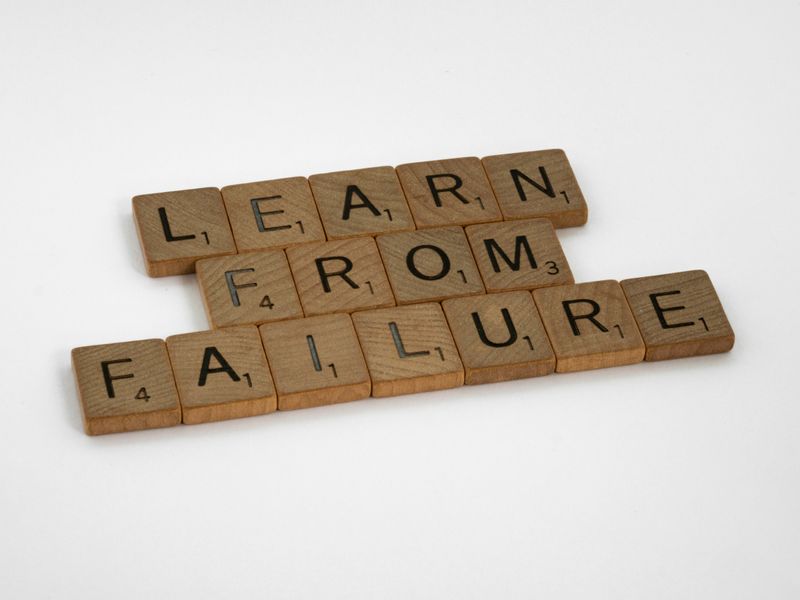 Photo by Brett Jordan on Unsplash