Research shows that 75% of people battle imposter syndrome, and the design industry has the highest rates. So, if you feel nervous about having "no real experience", you're statistically normal!
The key interview questions every junior designer faces fall into "4 Big Themes”:
The Basics (fundamental)
The Workflow (portfolio-related)
The Strategy (product thinking)
The Vibe Check (collaboration)
A better understanding of these themes will help you translate your student projects into professional answers!

Q1. "What is the difference between UX and UI, and which do you prefer?”
For "Theme 1: The Basics", the skill they want is communication.
They aren't looking for a textbook definition. They want to see if you can explain complex concepts simply. Show them that you understand that while the two fields overlap, they have very different goals.
How to answer:
Do ✅
Use a simple analogy.
Be honest about which side you enjoy more.
Don't ❌
Use buzzwords you don't know.
Don't say "they are basically the same thing."
Sample answer:
I define UX as the "skeleton". It's the logic and structure of how a user moves through the app. UI is the "skin", the branding and visuals that make the journey feel good. Even though I love the visual side, I lean towards UX because I really enjoy solving the puzzle of how things work before deciding how they look.
Other forms of this question:
"Which do you prefer: UX or UI?"
"Where do you feel your strengths lie?"
Q2. "Can you walk me through your workflow on this project?”
For "Theme 2: The Workflow", they want to see your critical thinking, and problem-solving skills.
They want to know if you make decisions based on data/research, or if you just guessed because it "looked cool". They want to see that you follow a structured process.
How to answer:
Do ✅
Structure your answer like a story:
What did you learn? (Research)
What did you build? (Design)
Did it work? (Validation)
Don't ❌
Give a generic answer like, "I use Design Thinking."
Sample answer:
On my travel app project, I didn't just jump into Figma. I started by interviewing 3 backpackers (research) and realized they needed offline maps more than social features. I sketched low-fi wireframes focused on offline access (design) and tested them with classmates to ensure the flow made sense before I ever polished the UI (validation).
Other forms of this question:
"What is your design process?"
"Tell me about a project that challenged you."
"Show an example where feedback significantly changed your design. What did you learn?"
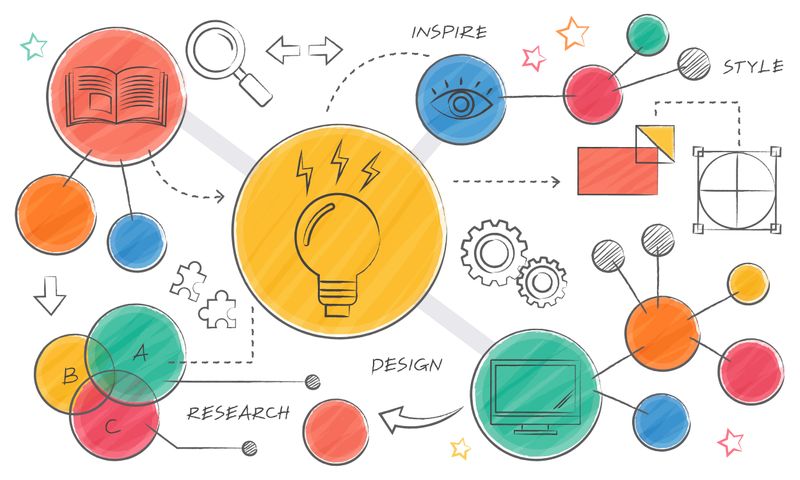 Image courtesy of rawpixel via Freepik
Q3. "How would you improve our app for a new user?”
For "Theme 3: The Strategy", show yourproduct sense and how you take initiative.
It sounds intimidating, but it’s actually a chance to flex that you did your homework. They want to see that you’ve actually used their product, identified weak spots, and thought about how to fix them for their specific users.
How to answer:
Do ✅
Audit their product.
Find 1-2 specific friction points.
If you can't find bugs, propose a usability test.
Don't ❌
Say, "It looks great. I wouldn't change anything."
Sample answer:
I spent some time on your mobile app yesterday. I love the clean interface, but I noticed the '"Sign Up" button on the homepage blends in with the background image. If I were working on this, I’d suggest running an A/B test with a higher contrast color to see if we can increase conversions, specifically for new users visiting on mobile.
Other forms of this question:
"What do you think is the weakest part of our current product?"
"If you were hired, what is the first thing you would change?"
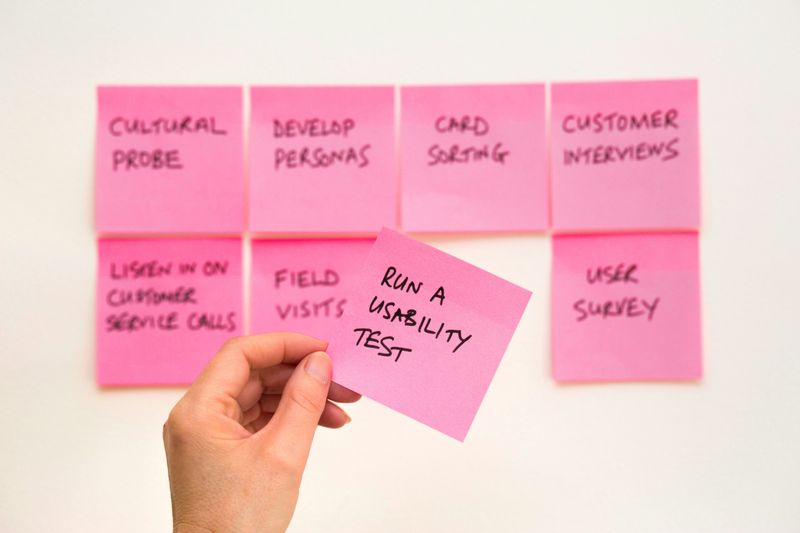 Photo by David Travis on Unsplash
Subscribe for more quick bites of learning delivered to your inbox.
Unsubscribe anytime. No spam. 🙂
Q4. “How do you respond to negative feedback? ”
"Theme 4: The Vibe Check" is all about your collaboration skills.
They need to know if you're coachable. They want to see if you appreciate that different perspectives (from developers, product managers, etc.) actually make the product better, or if you get defensive when challenged.
How to answer:
Do ✅
Clearly define the specific role you played.
Mention what you learned and how the final product improved because of the collaboration.
Don't ❌
Say, "I did it myself because the team was slow."
Focus on the interpersonal drama.
Sample answer:
In my final capstone project, a developer teammate said my design was too complex to code in our two-week timeframe. Instead of pushing back, I asked him to help me brainstorm simpler solutions. I played the role of the compromiser. We stripped back the fancy animations, and I learned that simple code often means a faster app. The final product was actually cleaner for the user, and we finished on time.
Other forms of this question:
"How do you handle negative feedback on your designs?"
"Describe a time you had to compromise."
Quick Quiz: Interview Scenario
The interviewer looks at the pixel-perfect case study project you presented and asks: "Tell me about a significant challenge you faced during this project."

Which response is the best way to show your process?
A. "Honestly, everything went pretty smoothly. I followed the Double Diamond process perfectly, and the final result looked great."
B. "My teammate didn't pull their weight, so the biggest challenge was doing all the work myself to get it done on time."
C. "We realized halfway through that our initial idea was too expensive to build. I had to pivot and simplify the design to meet the deadline, but it actually made the user flow cleaner."
D. "The biggest challenge was choosing the color palette because I really wanted it to look modern but also accessible."
Quiz
Choose the best response:
Take Action
 Ready to land that first role? Here are some strategies to use for interview homework:
Your feedback matters to us.
This Byte helped me better understand the topic.