Have you been thinking about changing careers, but don't know where to start?

Maybe your current job no longer excites you, you want new opportunities, or you're curious about a completely different path.
That was exactly how I started feeling before deciding to explore a career transition myself.
Changing careers can feel overwhelming, especially when you still need stability and income. What helped me was realizing that there are simple steps that can make the process feel more manageable and help you move forward with more confidence.
Did you know?
Step 1: Identify Transferable Skills
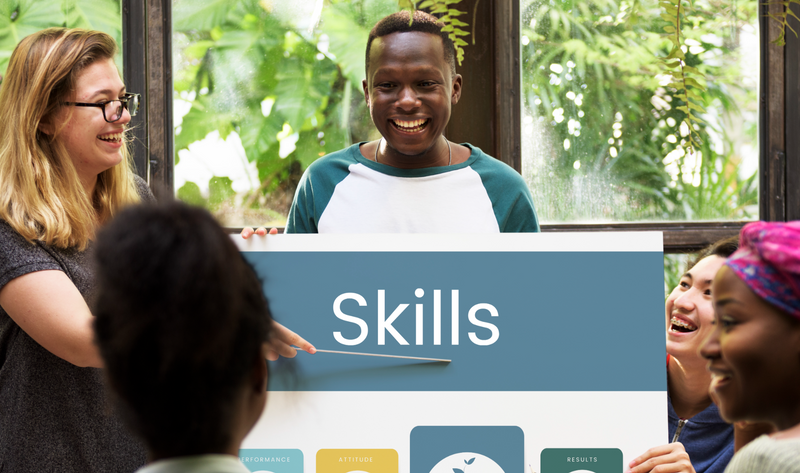 Image licensed via Rawpixel Envato
You don't have to start from scratch when transitioning into a new career (I know I didn’t). Many of the skills you already use in school, part-time jobs, volunteering, hobbies, or daily life can transfer into a new field — especially the things you naturally enjoy or do well.
Examples include:
helping others find solutions → problem-solving
creating presentations or explaining ideas → communication
managing assignments, schedules, or events → organization
helping train or tutor others → teaching or mentoring
using apps or social media creatively → digital skills
working with a team on activities → collaboration
managing multiple responsibilities at once → time management
One thing that surprised me was how many of my previous experiences were still useful in a different field. My background in education and curriculum writing transferred naturally into instructional design, and even the art classes I had taken helped me better understand visual design and layout.
Recognizing transferable skills can take practice. See if you can identify them in the example below.
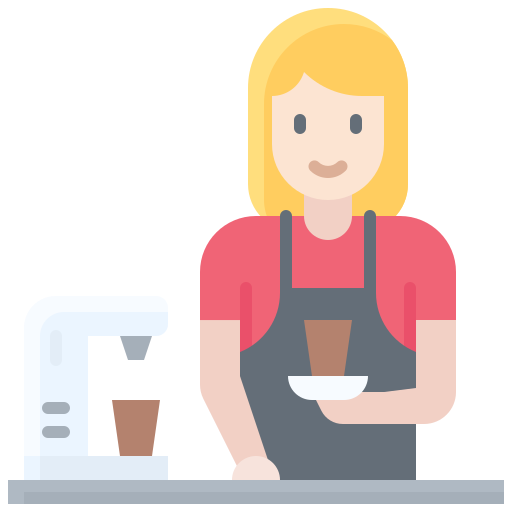 Mina wants to transition from working part-time at a café into digital marketing, but she feels like she doesn't have relevant experience.
Which experience below BEST shows a transferable skill that could help her in a new career?
A. Managing customer issues and communicating with coworkers.
B. Learning the café’s ordering system quickly.
C. Remembering regular customers’ favorite drinks
D. Following the café’s opening and closing checklist.
Quiz
Choose the best experience that will help Mina with her new career:
Step 2: Research the New Field
Success comes from knowing that you did your best to become the best that you are capable of becoming.
— John Wooden, basketball coach
Before making the switch, I spent time learning what people in that field actually do day to day.
 Image courtesy of thanyaptm via Envato license
Some things that helped me were:
searching job postings
exploring LinkedIn profiles
watching “day in the life” videos
searching for beginner tutorials
reading advice from people already working in the field
Doing research helped me understand the reality of the job — not just what I imagined it might be like.
Step 3: Build Skills Gradually
One of the biggest things I learned was that I didn't need to master everything at once.
Instead, I focused on small actions that helped me build confidence over time.
 Image courtesy of Oaklandimages via Envato license
Some things that helped me were:
learning one new tool at a time
Practicing with small personal projects
taking short tutorials or courses
saving examples of my work to show future employers
using new skills in school, work, or everyday situations
For example, in my experience, I identified the tool considered the industry standard — in my case, Articulate Storyline — and focused on learning it little by little. Doing that helped me feel like I was building skills that would actually be useful in the field I wanted to move into.
I didn't become an expert overnight, but each step helped me build confidence and feel more prepared for the transition.
Subscribe for more quick bites of learning delivered to your inbox.
Unsubscribe anytime. No spam. 🙂
Step 4: Build Professional Connections
I also realized that networking didn't have to feel fake or uncomfortable.
Some of the most helpful things I did were simply learning from other people already working in the field.
 Image courtesy of mohdizzuanbinroslan via Envato license
Simple ways to connect include:
joining online communities
attending virtual events or webinars
connecting with people on LinkedIn
asking people in online communities about their experiences
following professionals who share advice, resources, or career experiences online
Even small conversations or online interactions helped me learn more about the career and feel more connected to the field I wanted to move into.
AI Prompt for finding Online Communities
“Find active beginner-friendly online communities for people interested in becoming a [career/profession]. Include Reddit communities, Discord servers, LinkedIn groups, forums, YouTube creators, and other spaces where people share advice, learning resources, career experiences, and job opportunities.”
Building professional connections can look different for everyone. Let’s look at a scenario.
 Taylor wants to transition into cybersecurity while balancing school and a part-time job. They only have a little free time each week and feel nervous about networking.
Which actions would MOST help Taylor start building professional connections in a realistic and manageable way? Select all that apply:
A. Join a cybersecurity Discord or Reddit community and participate in discussions a few times each week.
B. Attend a free online webinar and ask one question about getting started in the field.
C. Focus only on earning certifications before interacting with anyone in the industry.
D. Send connection requests to professionals without reading about their work or interests
Quiz
Select all actions that will help Taylor build professional connectons:
Step 5: Prepare Emotionally
One thing I was not expecting was how much this process would challenge my confidence, patience, and mindset.

At times, I felt:
overwhelmed by how much there was to learn
discouraged when comparing myself to others
frustrated by slow progress
or unsure if I was making the right decision

Things that helped me were:
setting realistic goals
celebrating small progress
taking breaks when I felt overwhelmed
reminding myself that learning takes time
Over time, those strategies helped me feel more patient with myself and more confident in the process.
Did you know?
Take Action
 Image courtesy of ESBProfessional via Envato license
Your feedback matters to us.
This Byte helped me better understand the topic.