While regular physical activity is important for your overall health and well-being, practicing exercise safety is just as important. Understanding what to do before, during, and after physical activity helps prevent injuries and improve your performance.
Prepare Your Body
Did you know that taking just a few minutes to prepare your body can reduce your risk of sports injuries by 36%? Instead of jumping straight into your workout or sporting activity, allow your body to gradually ease into it.
Warm Up Before Exercising
Spend 10 to 15 minutes warming up before exercising with low-intensity cardio, such as slow walking or jogging.
Warming up gradually increases your heart rate and raises your body temperature, both of which increase your muscle flexibility to prevent injury.
Perform Dynamic Stretches
Dynamic stretches are controlled movements that mimic the motions of your main physical activity to prepare your joints and muscles for exercise. For example, if you plan to go running, performing arm circlesand leg pendulumsare excellent dynamic stretches for that activity.
Incorporating dynamic stretches into your warm up improves your flexibility and mobility, which will reduce your risk of injuries.
Did you know?
Train Safely
Many sports-related injuries can be prevented by making smart choices during training. Make it a habit to use the proper equipment and practicing correct form.
Wear the Right Equipment
Using proper-fitting equipment that is specific to your physical activity is beneficial for your comfort and safety. Wearing protective equipment like a helmet and knee pads can reduce your risk of injury if you fall while exercising.
Use Proper Form
Focus on using the correct form for every exercise that you do. If you're strength training, it's a good idea to start with lower weights or bodyweight exercises to develop proper form before gradually increasing the weight.
You can check on your form by using a mirror, recording yourself while exercising, or by asking a trusted member of the fitness community, such as a personal trainer or coach, for feedback.
Learning the correct form will help protect your joints, reducing the risk of injury.
Did you know?
Give Yourself Time to Recover
Recovery time is essential for preventing injuries because it gives your muscles time to repair.
Prioritize Rest
Rest days make an important part of any exercise routine. Taking breaks after an intense workout helps with muscle soreness and reduces the risk of overtraining injuries before your next exercise session.
It's recommended that you schedule at least one rest day each week.
Get Enough Sleep
Those who exercise moderately should be getting between 7 and 9 hours of sleep each night for optimal recovery. Meanwhile, athletes who take on more vigorous training should get closer to 10 hours of sleep nightly.
Did you know?
Subscribe for more quick bites of learning delivered to your inbox.
Unsubscribe anytime. No spam. 🙂
Quiz Time⚡️
Cameron completed an intense upper-body workout using heavier weights than he was used to, leaving his right shoulder sore and extremely fatigued.
During a basketball game the next day, he feels a sharp pain in the same shoulder but decides to continue playing because he doesn't want to let down his coach and teammates.
What should Cameron have done instead?
A. Stop playing to prevent the injury from worsening.
B. Take pain medicine, then continue playing.
C. Perform dynamic arm stretches while playing.
D. Continue playing as long as the pain is manageable.
Quiz
Select the best option:
Loading...
Take Action
Now that you know what to do before, during, and after exercising to help prevent injuries, you're ready to put these tips into practice!

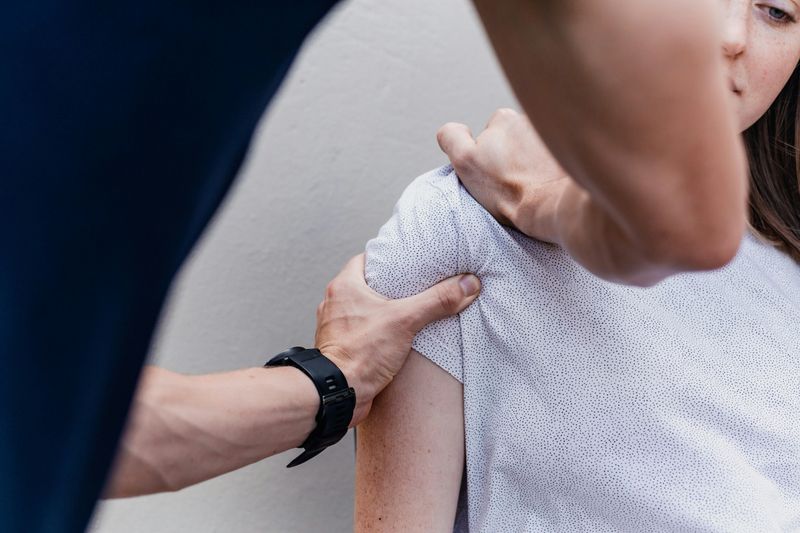 Photo by Sincerely Media on Unsplash
 Spend 10 to 15 minutes warming up before exercising with low-intensity cardio, such as slow walking or jogging.
 Dynamic stretches are controlled movements that mimic the motions of your main physical activity to prepare your joints and muscles for exercise. For example, if you plan to go running, performing arm circles and leg pendulums are excellent dynamic stretches for that activity.
 Using proper-fitting equipment that is specific to your physical activity is beneficial for your comfort and safety. Wearing protective equipment like a helmet and knee pads can reduce your risk of injury if you fall while exercising.
 Focus on using the correct form for every exercise that you do. If you're strength training, it's a good idea to start with lower weights or bodyweight exercises to develop proper form before gradually increasing the weight.
 Rest days make an important part of any exercise routine. Taking breaks after an intense workout helps with muscle soreness and reduces the risk of overtraining injuries before your next exercise session.
  Those who exercise moderately should be getting between 7 and 9 hours of sleep each night for optimal recovery. Meanwhile, athletes who take on more vigorous training should get closer to 10 hours of sleep nightly.
 Cameron completed an intense upper-body workout using heavier weights than he was used to, leaving his right shoulder sore and extremely fatigued.
  Photo by Vitaly Gariev on Unsplash