
This logo isn't an ad or affiliate link. It's an organization that shares in our mission, and empowered the authors to share their insights in Byte form.
Rumie vets Bytes for compliance with our
Standards.
The organization is responsible for the completeness and reliability of the content.
Learn more
about how Rumie works with partners.
 Photo by Katja Anokhina on Unsplash
Are you feeling that you're not advancing in your career or receiving the recognition you deserve?
The truth is, if you're not growing, you're falling behind. Don't wait for your next performance review to discover the skills gap that's holding you back from that raise or promotion.
By conducting a skills analysis, you can unlock new information to upskill yourself and improve your performance in your current job.
Identify and Analyze The Skills Gap
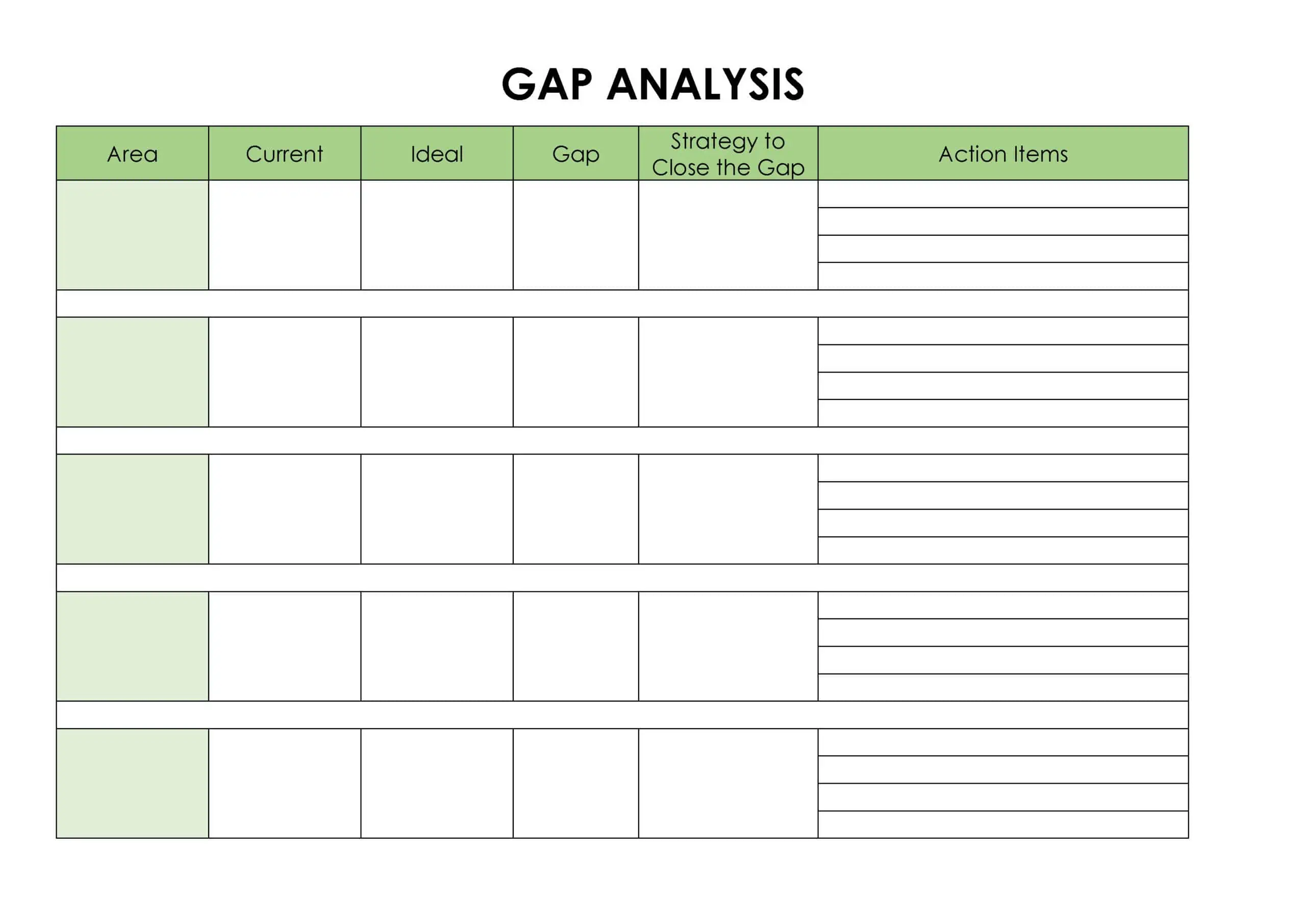
To figure out what you need to learn, use the chart below and follow these simple steps:
Define the area where the skills gap is. In the Area column, list the specific skills or competency areas you're analyzing (e.g., "Data Analysis," "Project Management," "Python Programming").
Define your current state. The Current column is where you assess your current proficiency level in this skill. Use a standardized rating scale (e.g., 1-5 with 1 being weak and 5 being strong).
Determine the ideal state (Ideal column) required for the role. It's the standard or target you need to be fully effective (e.g., if the current is a 3, but the role requires a 5, the ideal is 5).
Calculate the gap (Gap column) by finding the difference between the Ideal and Current states (e.g., the Ideal is 5 and the Current is 3, the Gap is 2. A gap of 0 means the ideal is met). A positive gap indicates a shortfall — the skill gap.
Formulate a strategy (Strategy to Close the Gap column) to address the shortfall.
List specific actions (Action Items column) needed to close the skill gap and reach the Ideal state.
Create a Targeted Development Plan
 Photo by Mark Owen Wilkinson Hughes on Unsplash
After finding the gap in the skill you want to improve, the next step is to make a SMART plan for your development:
Specific
Measurable
Achievable
Relevant
Time-Bound
The SMART plan turns your goal into a clear set of actions, making improvement trackable and easy. You can even include a bonus "Next Step" to help you get started.
SMART Example: Improving Excel Skills
Specific: Master five advanced features: VLOOKUP, Pivot Tables, conditional formatting, data validation, and basic macros.
Measurable: Pass an online certification exam with a score of 90% or higher.
Achievable: Dedicate 3 hours per week to structured online tutorials and practice. work-related datasets.
Relevant: The enhanced skills will allow me to automate reporting, reducing my monthly data processing time by 40%.
Time-bound: Complete training and pass the exam within the next 60 days.
Next step: Immediately enroll in the chosen online course and schedule the first three weekly practice sessions.
Put together a SMART plan for yourself on a skill you feel you're underperforming in. Look at this video for further help.
Quiz
Which goal is **NOT** a truly SMART goal?
"I need to read more books" fails the Specific (S) and Measurable (M) criteria: What kind of books? How many? How often?
Implement the Plan: Upskill and Practice
Since there are many ways to improve a skill, pick the method that works best for the skill and for you.
Formal Training
Formal methods: Involve structured learning like e-learning modules, classroom-style instructor-led training (ILT), and attending outside certification programs or courses.
Company-sponsored training: Inquire about internal training programs, workshops, or professional development funds.
Online courses: Consider platforms like Udemy and LinkedIn Learning. LinkedIn Learning offers expert-led, career-focused courses with profile-recognized certificates, while Udemy provides a vast library of practical, affordable, and flexible skills training. Ask your company if they offer reimbursement or have an existing license.
Informal Training
On-the-job training (OJT): Includes mentoring, job shadowing, and hands-on coaching during daily work to build practical skills.
Stretch assignments: Volunteer for projects or tasks that require you to use the new skill. Frame it as a development opportunity with your manager.
 Photo by Brett Jordan on Unsplash
Take Action

To ensure you keep on track with your skills audit, write down your achievements and measure and monitor your progress as you address your skills gap:
This Byte has been authored by
Anna Colebourne
Learning & Development Specialist