
Have you ever held onto something that you never use just because it feels too valuable to let it go?
Or maybe you suddenly LOVE something the moment you touch it or try it out.
What if your brain is tricking you into thinking things are worth more than they really are, just because you own them?
 That feeling of attachment we get from ownership comes from the endowment effect.
Understanding what it is and how it influences you, can help you overcome the endowment effect while you're shopping!
What Is the Endowment Effect?
The endowment effect happens when someone values something they own higher than they would if they didn't own it. This psychological attachment to the object makes it worth more in your mind, sometimes overvaluing the item. This can also be called the "ownership effect".
What are some examples of the endowment effect?
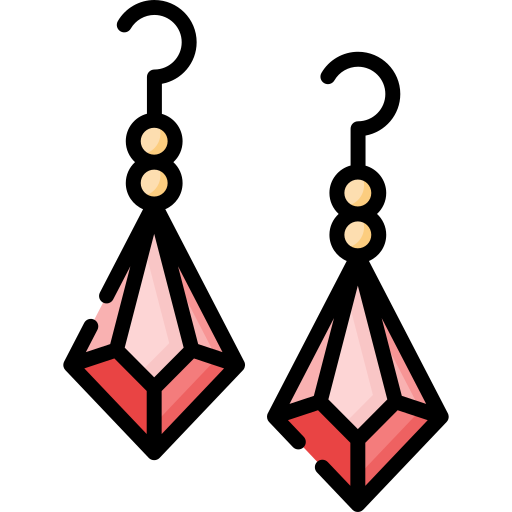
You refuse to sell earrings you've inherited from Grandma for a fair price, even though you will never wear them. You overvalue the earrings because they're from Grandma.

You're selling a bicycle you own and love for $400, even though comparable bikes are selling for $250. You overvalue it because you've owned it.

You're looking for a new car, and the dealership suggests a test drive. Driving the car makes you feel like you own it and are more likely to purchase it.

Free trials create a sense of ownership before committing. This is hard to cancel since you've created personalized playlists and watchlists.
How Does it Affect You?
The endowment effect can impact you both as a buyer and a seller.
Seller
We price things too high because we:
Overvalue the item.
Feel that if we don't sell for more, we'll lose out.
The "losing out" stems from loss aversion, which is the idea that we dislike losing something more than we like gaining it.
Buyer
We purchase things that:
We may not need or even want.
Are overpriced.
Marketers/salespeople can exploit the feeling of psychological ownership of an item to entice you to purchase the item or pay more for it.
Here's a video that explains how the endowment effect can influence buyers and sellers.
Examples of the Endowment Effect
Here are some specific examples of how marketers and salespeople use the endowment effect to influence you when you're making purchases.
 Netflix, Apple+, Disney+, etc. offer free trials that make you feel like you already own/have tried the product. You now have an emotional attachment to the service while you're making your decision to buy. This also explains why people hold onto subscriptions longer than they should.
 Have you been to an Apple store lately? You're allowed to sample all the shiny, new products. They use phrases like "your new iPhone" or "your new iPad". This makes you feel like you own it before you actually even own it! How could you resist buying something when you feel it's yours?
 Personalization is also part of the endowment effect. Converse and Nike by You let you color and design your own shoes through computer imaging BEFORE you buy them. And no one wants to lose their personalized Spotify playlists, right? You've created these, so you want to keep them.
 Free returns from Amazon, Sephora, H&M, etc. can amplify the endowment effect. "Studies have shown that people are reluctant to return something once they’ve bought it. A free returns policy can not only trigger the Endowment Effect once people take an item home, it can also attract more customers to buy in the first place."
 IKEA, Walmart, etc. all offer augmented reality where you can try the furniture in your home. If you can see how the table looks in your dining room, then you get to try "owning" it. Same with Warby Parker and virtually trying on their glasses.
 Sephora creates ownership by letting you try products with free makeovers. And where you can't have a makeover, you can find the Sephora Virtual Artist kiosks, where you can try different looks with their products. Both give you a taste of owning and trying products.
How to Overcome the Endowment Effect when Making Purchases
Here are 7 things you can try to help overcome the influence of the endowment effect.
 Photo by Heidi Fin on Unsplash
"Knowing is half the battle." You'll now understand that the bias exists and stems from feelings, not logic. Knowing you're being influenced helps you make more rational choices.
Be aware of the psychological ownership sales tactic. Something like test driving a car (although important) is just a brief interaction and doesn't make the product superior or worth more.
Change your thinking about subscription services. Think of them as services you access temporarily instead of owning. Commit to "access" for 1 or 2 months instead of indefinitely. This framing shifts how you view the service.
Think about what else you could buy with the money. Does that appeal to you more or would you still buy the item if you compare it to other items?
Research the market value of what you want to purchase so you're not overcharged.
Ask someone you trust to evaluate the item or price for their unbiased opinion.
Think about your needs, rules, and budget before shopping. This can keep your thoughts on track if your emotions are manipulated.
Scenario: The Endowment Effect in Play
Denitha's friend told her about a site that has great coats. Right away, she finds a great jacket and adds it to her online shopping cart. She suddenly feels attached to it, as if she owns it. Even though she was going to wait for a sale, she bought it after seeing there were only a few left in her size, and she could return the item for free.
 Photo by Kashawn Hernandez on Unsplash
Which statements show how the endowment effect is influencing her?
A. Denitha values the jacket more because it's in her cart, so she feels like she owns it already.
B. Offering free returns lets her use the item and develop a connection. She'll be less likely to return it once she feels she owns it.
C. Her friend has a coat from the site and loves it.
D. The site tells her there are only a few left, so she feels she might miss out.
Quiz
Choose any statements that show the endowment effect at play:
Take Action

Your feedback matters to us.
This Byte helped me better understand the topic.